
Bringing a baby into the world is one of the biggest changes a person can experience physically, emotionally, and mentally. You go from the intensity of labour to sleepless nights, body aches, and trying to adapt to a new way of life. Recovery looks different for everyone, but most new mums deal with a mix of fatigue, hormone changes, and physical soreness. It takes time to feel like yourself again. With so much attention going to the baby, it’s easy for your own needs to be pushed aside.
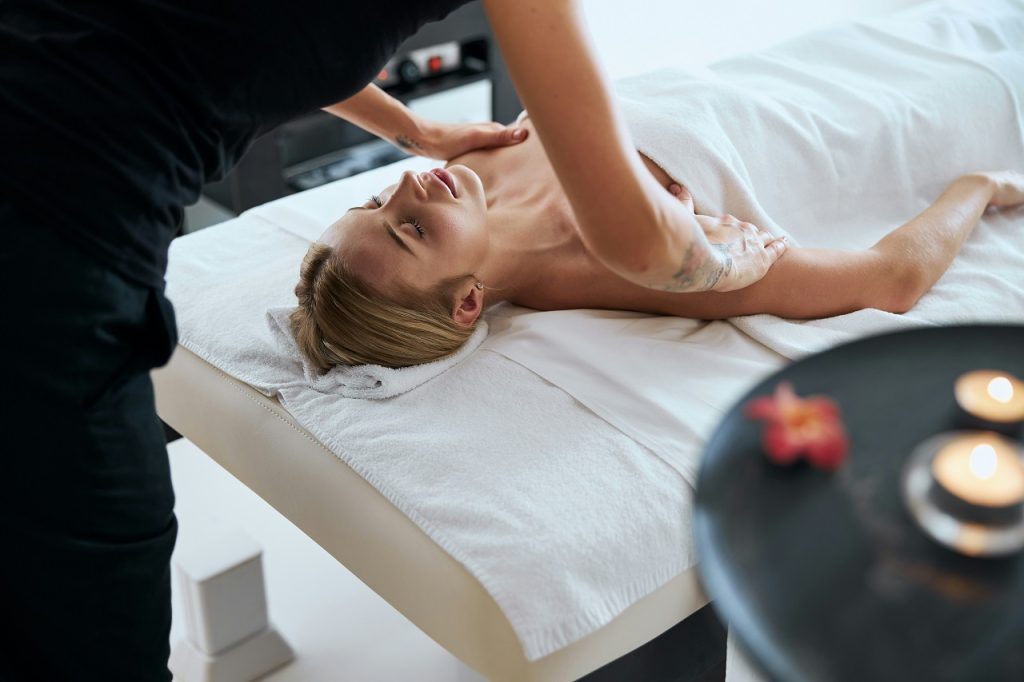
That’s where postpartum massage can be helpful. It offers more than just relaxation. Getting a massage after giving birth can ease pain, improve circulation, support emotional well-being, and guide your body through the healing process. A common question for many new mums is when it’s safe to start, and what results they can expect. Whether you’ve had a vaginal delivery or a C-section, massage can usually be added to your recovery once it’s appropriate.
The Benefits of Postpartum Massage
After pregnancy and childbirth, your body undergoes a lot of strain that can leave you feeling sore and tired. Activities like carrying your baby, holding feeding positions, or even standing and walking for extended periods can feel exhausting. Hormonal shifts also affect your energy levels, sleep, digestion, and mood. That’s why massage in the postpartum period can be such a relief, both physically and emotionally.
Some benefits of postpartum massage include:
– Easing muscle tension, especially in the neck, shoulders, and lower back
– Boosting blood circulation which can assist the body in healing
– Helping reduce swelling and fluid build-up through lymphatic drainage
– Encouraging better sleep, a big challenge during early parenthood
– Supporting more stable emotions and lifting overall mood
– Improving milk flow by relaxing upper body muscles used during breastfeeding
Massage also creates space for emotional recovery. For many new mothers, it’s one of the first moments of peace and self-care since giving birth. That short window to breathe, reflect, and rest can make a big difference. One mum shared that her hips and shoulders felt tight after weeks of struggling to balance a newborn and her own healing process. After just a few gentle sessions, she felt lighter and noticed her posture, sleep, and general mood starting to improve.
This shows that postpartum massage offers more than just short-term relief. It helps women reconnect with their bodies and feel more supported throughout an emotionally charged adjustment period.
When to Start Postpartum Massage
The best time to begin postpartum massage depends on several things, including the type of birth and how your body’s healing. For those who had a vaginal birth without complications, it’s often safe to explore massage within one to two weeks, especially if the approach is soft and mindful of healing areas. There’s no need to rush or go deep right away. Gentle techniques can have a meaningful impact and support a smoother transition back to balance.
For C-section births or cases involving complications, it’s recommended to wait longer. Most therapists will suggest getting approval from a healthcare provider first. If you’re still experiencing pain around the incision, ongoing swelling, or other concerns, it may be best to hold off a little longer.
Here are a few signs that you might be ready to start postpartum massage:
– Steady increase in energy levels
– Reduced pain or soreness in key areas like the pelvis or lower back
– Any surgical sites or tears are healing well and not overly sensitive
– You’re mentally ready to relax and dedicate some time to yourself
It’s good to remember that massage doesn’t need to be intense to be helpful. Gentle touch can ease both body and mind, especially during the early phase of recovery. Speak openly with your therapist so they understand exactly what you’re feeling and any specific areas to focus on or avoid.
Types of Postpartum Massages and Their Specific Benefits
Postpartum massage isn’t one-size-fits-all. Choosing a technique that lines up with how you’re feeling and what your body needs most can make the experience more supportive. While some new mothers look for stress relief and relaxation, others may need help with lifting aches from carrying their baby or breastfeeding.
These are four common massage styles often used during postpartum care:
– Swedish Massage
This technique involves long, flowing strokes and light to medium pressure. It’s relaxing, promotes blood circulation, reduces stress, and helps activate the lymphatic system. It’s a gentle choice for those just starting the recovery process.
– Deep Tissue Massage
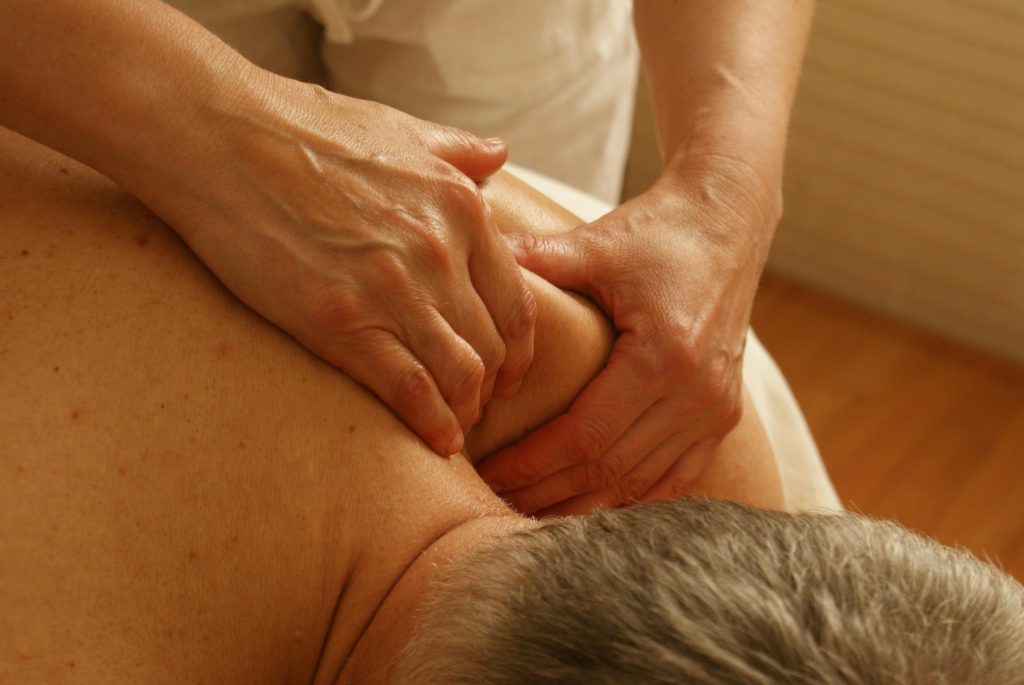
Great for releasing deep knots and muscle tension caused by poor sleep positions, baby carrying, or feeding posture. It includes stronger pressure and works on deeper muscle groups. It may create temporary discomfort and is better once you’re further along in healing.
– Aromatherapy Massage
Blends essential oils with massage techniques for emotional support. It can lift mood, reduce anxiety, and help you feel more grounded. Make sure any oils used are suitable for breast-feeding, and always tell your therapist your preferences.
– Postnatal Thai Massage
This style may include gentle stretches combined with pressure-point work. It offers relief for stiffness and can help improve energy flow. It’s important to communicate openly about where you’re sore or healing so movement can be safely adapted.
Remember that your needs might shift from week to week. What feels good now might change next month. A good therapist will check in before each session and adjust based on how your body is responding. Even something as simple as lying on your side with light strokes can bring meaningful comfort during this time.
Making the Most of Your Postpartum Massage Experience
Your first few massages after birth may feel different than you’re used to. The goal isn’t to fix every ache but to support your recovery in a calming and body-aware way. Start slow and give yourself permission to adjust the pace as needed.
Here are some tips to help you get the most from your massage:
– Plan around your baby’s schedule to avoid feeling rushed or interrupted
– Choose comfortable, loose clothing to make changing easier, especially if you’re healing from stitches or surgery
– Explain your delivery experience and let your therapist know what feels okay and what doesn’t
– Give yourself time to just breathe and relax without needing to talk or explain everything
– If it feels right, try building massage into your routine monthly or every few weeks to catch tension before it builds up
Massage during postpartum recovery isn’t meant to be complicated. It’s a way to give your body a quiet reset and allow yourself uninterrupted care during a time when so much of your energy goes outward.
Embracing Postpartum Wellness
Every recovery looks different, but nurturing yourself through it always matters. Postpartum massage offers a simple, meaningful way to support both healing and self-care. Lighting the path back to balance, it becomes one of those steadier parts of a new mum’s routine that reminds her she’s not lost in the shuffle.
A balanced recovery isn’t about bouncing back quickly, it’s about giving yourself what you need to move forward confidently. Massage is one part of that. It’s not only about working out the physical discomforts, but about creating a space where your wellbeing comes first, if only for a while. That type of support can go a long way.
Reclaim your tranquillity and support your healing journey with our specialised postpartum massage sessions at La-Moon Thai Massage. By addressing both physical discomfort and emotional stress, we aim to help new mums embrace their well-being during this transformative time. Learn more about our services and start prioritising your comfort and recovery today.