
Massage is one of the most common ways people try to unwind, release tension, and feel more at peace. Whether you’re stiff from hunching at a computer all day or just need a mental reset, massage can help relax your body and calm your mind. But when it comes to getting that relief, there’s often a big question: should you book a professional body rub or just try handling it yourself at home?
Both have their place. Some people love the expertise and hands-on care of a massage therapist, while others like the ease and freedom of grabbing a foam roller or massage ball when needed. Your choice might depend on your budget, schedule, stress level, or even how comfortable you are letting someone else touch you. Let’s talk through the details to help you decide what fits your situation best.
Professional Body Rubs: What to Expect
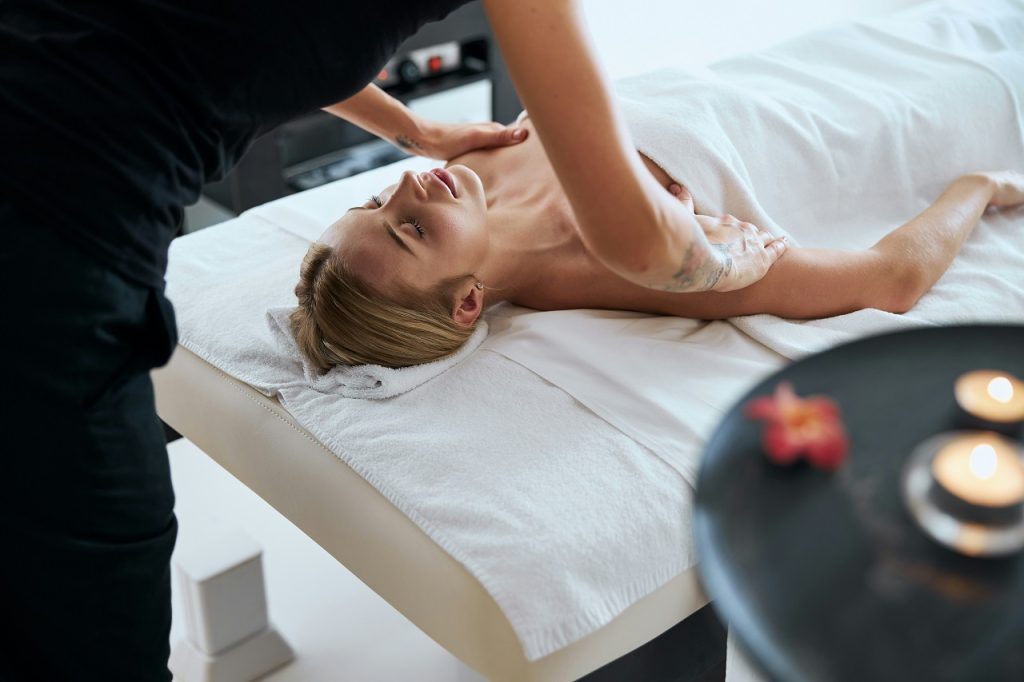
Getting a professional body rub is more than just a treatment. It’s an experience that brings together touch, pressure, and atmosphere to help you fully relax. Lights are dimmed, calming music plays, and your body is guided through a sequence meant to target stress, sore spots, and stiffness.
Massage therapists are trained in body structure, pressure techniques, and how to respond to different concerns, whether it’s tension from sitting too long or tightness from exercise. They know how the muscles connect, and they’re great at finding those tricky knots you didn’t even realise were there.
Some of the most common types of professional body rubs include:
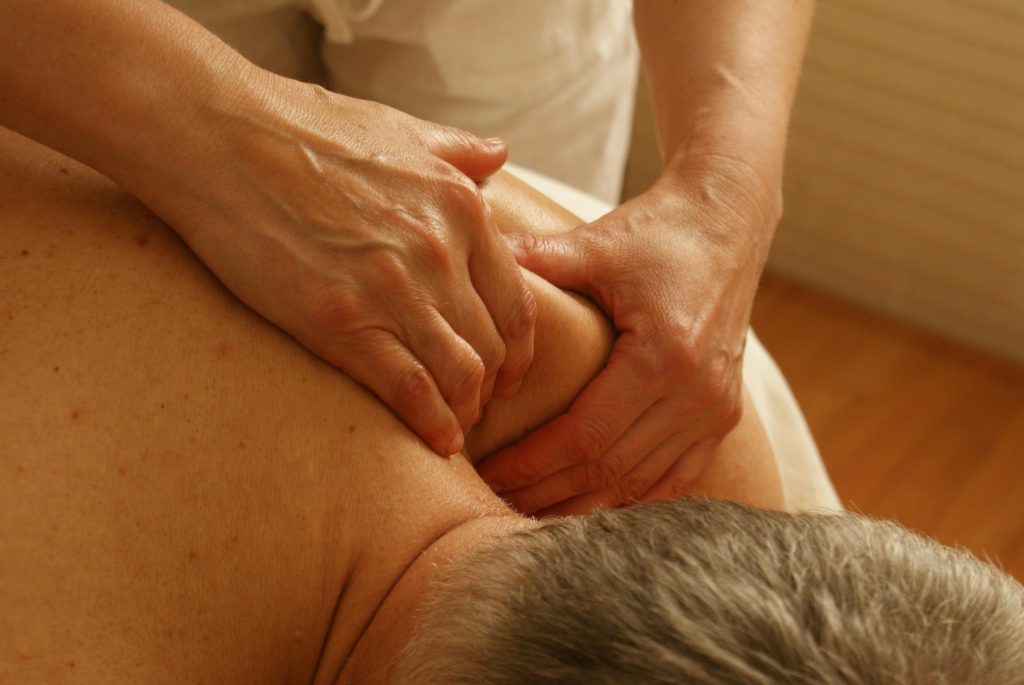
– Deep tissue: helps unlock tension in areas like the lower back, shoulders, and neck
– Relaxation massage: light strokes and soothing flow with gentle oils
– Thai-style body rubs: combines stretches with rhythmic pressing
– Aromatherapy: uses scented oils to ease both mind and muscles
One of the biggest benefits is simply having someone else take charge. You don’t need to know which muscle to focus on or how much pressure to use. You just lie down and let the therapist do their job. That shift alone really helps a person unplug and step away from their thoughts.
Another part that often gets overlooked is the setting. The room is calm. The temperature feels just right. You’re not trying to juggle a tool or force your hand into a tough angle. You’re just receiving care, and that can have just as much effect on your stress levels as the massage itself.
Self-Massage: Pros and Cons
Self-massage gives you the chance to take care of your body right when you need it, no appointment or travel time needed. It can be done with your hands or with tools like foam rollers, tennis balls, massage sticks, or massage guns. Many people use it after workouts or long workdays to keep their muscles from getting too stiff.
The upsides are hard to ignore. It’s cost-effective after the upfront purchase of tools, and you can target the exact area that’s causing trouble. It’s also a private process, which can be comforting if you’re not into the idea of seeing a therapist or undressing.
When done well, self-massage can ease minor aches or help stretch tight areas. For instance, rolling out your calves after walking or using your knuckles on your lower back at the end of the day can give some welcome relief. If time is tight, it can be a quick fix.
There are a few downsides, though:
– It’s hard to reach certain places like the middle of your back
– Without guidance or knowledge, you risk applying pressure in the wrong way
– It might not feel relaxing, since you’re doing the work yourself
– Tools can be misused and create more strain if applied too often or too aggressively
– You miss out on feedback and personalisation from a trained professional
So while self-massage is a great option in some situations, it isn’t always enough. Most of the time, it works best between professional treatments instead of replacing them completely.
Key Differences Between Professional and Self-Massage
Even though both options help with muscle tension, the way they work and how they feel are quite different. Professional sessions bring detailed technique, structure, and a calming presence. Self-massage gives you independence but may lack depth and precision.
Here are some direct comparisons:
– Pressure and technique: Massage therapists use strokes matched to your body’s condition. Self-massage often involves trial and error.
– Attention to the whole body: Professionals address muscle groups that are related, not just the ones you know are sore. With self-massage, your focus stays on the pain point.
– True relaxation: Being cared for by someone else means your mind and body can let go. Doing it yourself keeps your brain partially active.
– Long-term impact: Therapists help fix posture and reduce built-up stress in ways that last. At-home methods tend to offer short-term relief.
– Overall experience: From the room setup to expert hands-on care, a session with a trained therapist offers more than you can replicate at home.
If your discomfort feels like it needs consistent check-ins or deeper attention, professional treatment will likely go a lot further. But if you just have a few sore parts or want to keep things loose day to day, self-massage can be helpful.
Choosing the Right Option for You
Your body, schedule, and stress patterns all play a part in choosing how to get massage support. Not every tight muscle calls for a full massage appointment, and not every lingering ache should be tackled at home.
Ask yourself a few questions:
1. Is your discomfort ongoing, and does it seem to worsen even after stretching?
2. Do you find yourself not sleeping well or feeling restless at night?
3. Are you unable to reach the spot that’s bothering you or don’t get relief when using your tools?
4. Do the effects of your current self-massage routine fade quickly or not make a difference?
If any of those sound familiar, it could be time to leave it to a professional. That said, you don’t have to give up your massage ball or foam roller forever. Using both options can often give better results. A professional body rub helps you reset, while self-massage helps maintain things between those sessions.
Think of this balance like eating healthy and staying active. Both working together give better outcomes than just picking one and ignoring the other.
Finding Your Perfect Relaxation Method
At the end of the day, your body knows what it needs. Sometimes that means a thorough session with someone who knows muscles inside out. Other times, it means grabbing a roller before bed to ease out some knots. By trying both, you get to see what helps you most.
Having access to both a regular self-massage routine and the care of a trained therapist can lead to better daily comfort, less soreness, and fewer stress buildups. It builds awareness of your body and helps you respond before small pains turn into frustrating problems.
It doesn’t have to be one or the other. If you blend both based on what your body is feeling, you’ll build a stronger habit of listening to what it needs. Some days, that might mean lying in a calm room as a massage therapist works out the tension. Other days, it might mean using your thumb to rub your neck while watching TV.
Either way, checking in with your body and giving it some form of relief can go a long way. You deserve to feel good, and taking the time to relax—no matter which method—can help you get there.
Ready to embrace the soothing relief that tailored treatments bring? Discover how our body rubs at La-Moon Thai Massage can help you unwind and feel your best. Whether you’re after a calming session or something more focused, there’s a therapy to suit your needs. Give yourself a moment to relax and feel the benefits of professional care.