Long winter drives might come with great views and quiet roads, but they can take a real toll on the body. After several hours behind the wheel, it is common to feel tightness building through the hips, legs, and lower back. Add in the cold from Victoria’s winter weather, and muscles often do not bounce back right away.
That is why easing into recovery with a gentle, movement-based massage can be a better choice than forcing our way through the stiffness. Booking a massage in Caulfield after a trip gives the body a chance to reset through warmth, support, and slow release. Here is a closer look at why certain styles work better in winter and how you can get the most from a post-drive massage.
Understanding What Long Winter Drives Do to the Body
Sitting for long stretches does not always seem like much effort, but it quietly loads the same muscles for a long time. That type of stillness, especially in a cold car, makes it harder for the body to stay loose.
- The hip flexors shorten when seated too long and do not fully extend until you are moving again
- Lower back muscles start to brace, especially when posture slips or the seat is not giving much support
- Hamstrings carry more load while sitting than we think, often tightening in the background
- Cold temperatures slow circulation, which makes muscles feel harder or more reluctant to stretch
Driving posture is not fixed either. We shift, lean, brace the foot on the pedal, or twist slightly. These habits can add up, especially if no movement breaks things up along the way. It might not be obvious in the moment, but even a small tilt can lead to muscle soreness that lasts. Over time, repeated trips spent mostly in the same position contribute to patterns of tightness that become familiar yet still frustrating each winter.
Every time we pull off the road and get out of the car, the body has to readjust. There can be a sense of heaviness or sluggishness, especially when the air is cold. For some, it feels like it takes extra effort just to feel normal again. Recognising how the cold combines with stillness helps make sense of why the usual aches seem even more stubborn once temperatures drop.
Left unaddressed, these patterns of tightness can begin to affect how we move in daily life long after the drive has ended. The hips might stay guarded, steps may feel smaller, or the low back keeps that dull ache into the work week. That is why considering recovery through more thoughtful approaches can make a lasting difference.
Why Passive Movement and Stretch-Based Massage Can Help
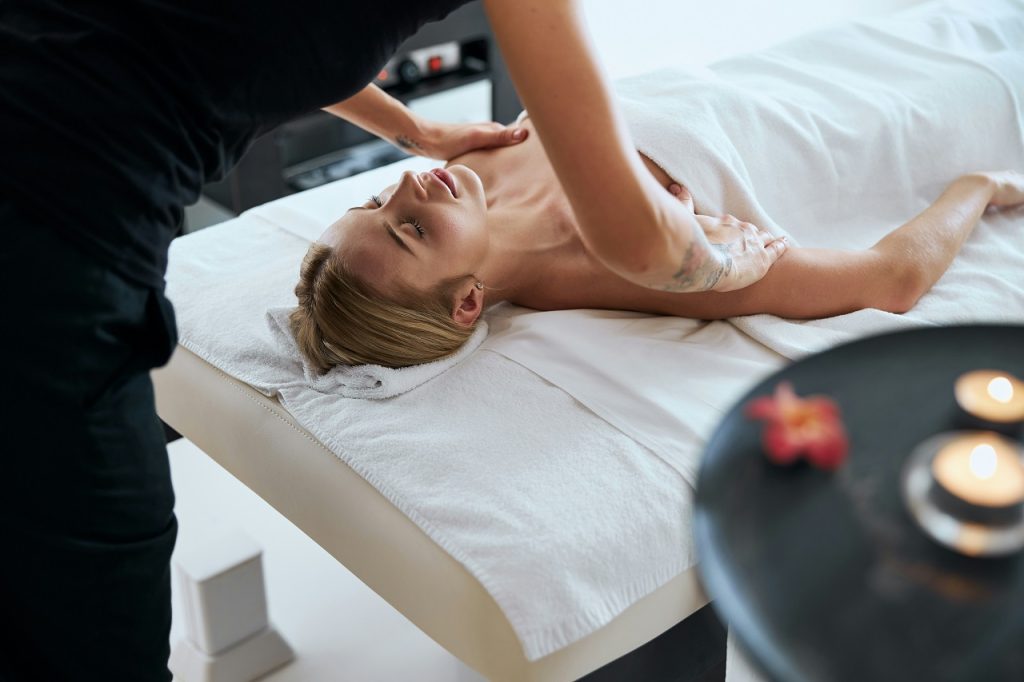
After a long drive, jumping straight into a high-pressure or deep tissue session can be jarring. The body often benefits more from movement-first massage that coaxes tension to ease gradually. Passive techniques create space for muscles to release without asking them to work.
- Passive movement allows joints and muscles to shift through gentle motion without force
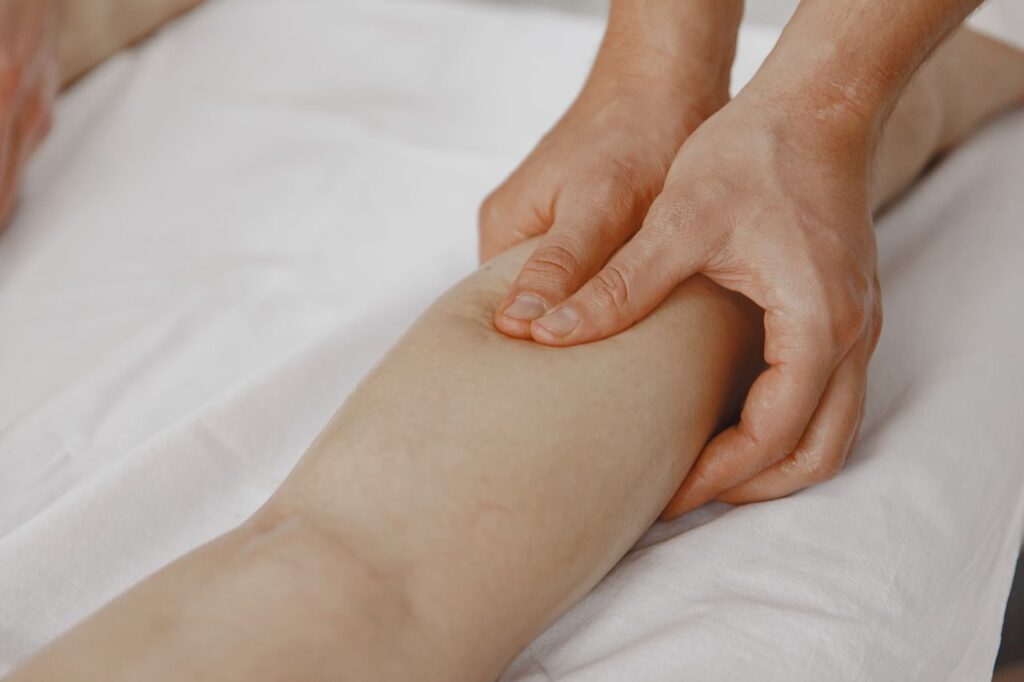
- Assisted stretching targets stuck areas like hips and hamstrings while keeping the rest of the body at ease
- The mix of movement and soft holds reminds the nervous system it is safe to let go
Compared to fixed-pressure massage styles that stay in one spot, dynamic techniques move with the body’s current state. It puts less demand on areas that have been locked up during the drive and more focus on guiding them back to softness.
At La-Moon Thai Massage in Caulfield North, VIC, we specialise in warm, movement-based treatments such as traditional Thai and stretching-focused options. All sessions are conducted in private, heated rooms to keep you comfortable during the coldest months and support full-body relaxation after travel. Our trained therapists adapt each massage to target deep-seated tension caused by sitting, driving, and cold weather.
Those seeking consistent relief often notice that each session feels a little different, adapting to what the body presents that day. Using a variety of stretches, holds, and gentle pressure, movement-based massage slowly reconnects areas that have been stiff or distant after long periods of stillness. There is a sense of reconnecting body and mind, especially when combined with gentle warmth in the room and careful support for each part of the body.
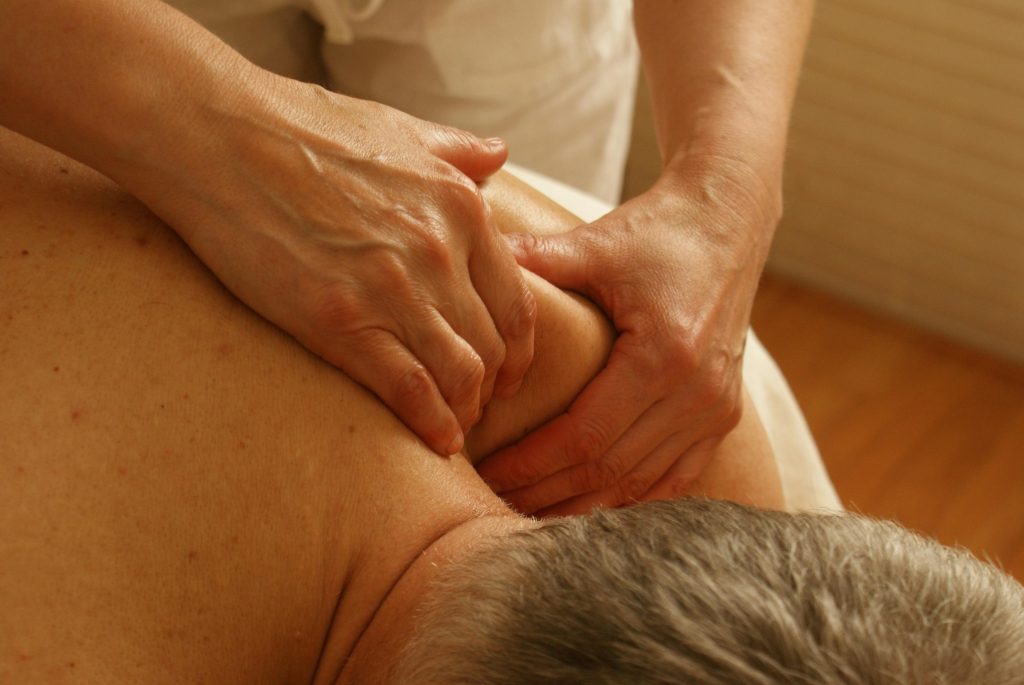
When people think of massage, they may picture only deep kneading or strong hands working away at a knot. While that has a place, these slower, stretch-based techniques can be more suited to bodies already pushed by travel and cold. We find that less can often do more when it comes to drawing out tension that has been resting just under the surface.
This approach does not rush or ignore the natural rhythm of recovery. Instead, it works with what the body is ready to offer. By focussing on movement in gentle, supportive ways, muscles and joints are allowed to soften with each session. That way, people can move back into daily life feeling refreshed and better aligned with their environment.
How to Prepare for a Post-Drive Massage in Caulfield
If you are planning a massage after a winter trip, what you do just before can make a big difference. Even small efforts help the body start to loosen before the hands-on work begins.
- Keep your lower body warm during the drive to stop muscles from getting stiff too quickly
- Try a short, ten-minute walk before your session to wake up circulation and recapture some natural movement
- Let us know how you are feeling when you arrive so the session can focus where tension is sitting
Being honest about what feels tender, stiff, or just plain heavy gives us the feedback we need to work around, not against, those patterns. The goal is always to read what the body is saying, not rush past it.
If you notice any lingering discomfort or areas that feel extra tight, do not hesitate to share those details. Massage is most effective when your feedback shapes the flow and touch, so your session can truly meet the unique needs created by your recent travel. Remember that every journey leaves its mark differently, and a little preparation can lead to a far more comfortable experience.
After you have arrived, even taking a few moments to settle in before your session starts can help your muscles begin to unwind. Giving the body time to recognise the change in environment, from car to peaceful room, sets the tone for a more effective recovery. Sometimes, simple breathing or gentle stretches beforehand help the mind transition out of “travel mode” and into a space of calm.
Staying hydrated is another helpful step, particularly after long hours on the road. Water supports circulation and muscle elasticity, which means your recovery can start even before the massage begins. Small adjustments, like bringing a comfortable change of clothes or planning ahead for a slow exit after your session, can round out the experience as well.
Letting the Body Reset Instead of Powering Through
After a long trip, it is easy to feel like you need strong pressure to “fix” what is wrong. But the body often responds better to softness, especially in winter, when it is already moving a little slower.
- Stretch and rhythm-based massage works with the body’s timing instead of trying to force change
- Gentle pacing gives overworked areas a chance to re-engage, instead of bracing against pressure
- Combining rest and subtle motion allows tension to melt instead of just shift from one spot to another
Choosing not to push hard takes patience, but that space helps your body shift gears more thoroughly than jumping straight to strong pressure.
Those familiar with winter driving know the urge to “push through” the aftermath by working harder or moving faster. Yet, the most helpful change often comes with quiet and patience. When a massage is paced to follow the body rather than lead it, relaxation comes more readily and tension seems to slip away rather than being fought.
This process of allowing muscles to find their own pace leads to change that feels more sustainable. Instead of a quick fix, there is a settling that follows you out the door, leaving you not just less tense, but more attuned to what the body needs next. Slower recovery times are not signs of weakness, they are gentle reminders to respect both the season and your body’s rhythms.
Over time, approaching recovery with softness helps reduce the risk of reinjury or old patterns re-emerging. When you understand and respect how stiffness sets in, it becomes easier to foster habits that support mobility through every season.
Feel Lighter After the Road
Choosing the right kind of massage makes a noticeable difference after hours behind the wheel. Cold temperatures, tight seats, and long stretches of stillness build tension in ways we do not see until we stand up. When recovery matches the season and respects how the body feels, things untangle faster.
Even subtle choices make a big difference. Keeping warm, listening to your body instead of ignoring the heaviness, and trusting slower styles can lead to more lasting relief. After the treatment, movement tends to feel easier, and the body lands more lightly back into everyday rhythm. It is not about fixing everything at once, it is about resetting gently so long drives do not follow you home.
After a long winter drive, that lingering tightness and heaviness can leave your body feeling out of sync. Our approach to massage in Caulfield focuses on warmth, gentle flow, and gradual release of pressure to help ease stiffness and restore comfort. There is no need to push through discomfort alone. Book your next visit with La-Moon Thai Massage and start feeling like yourself again.