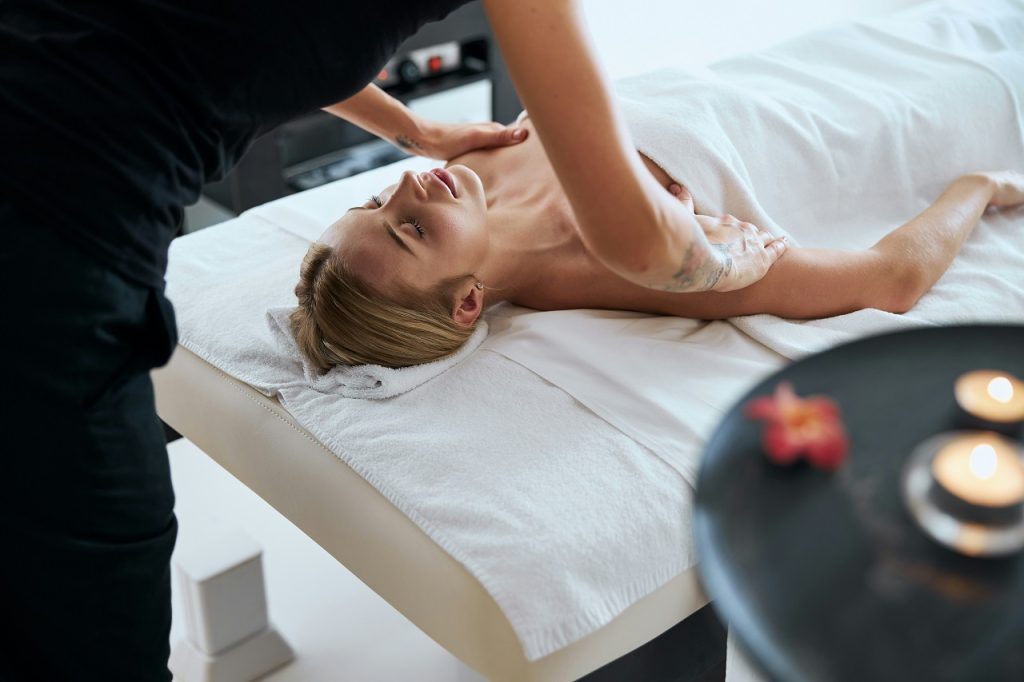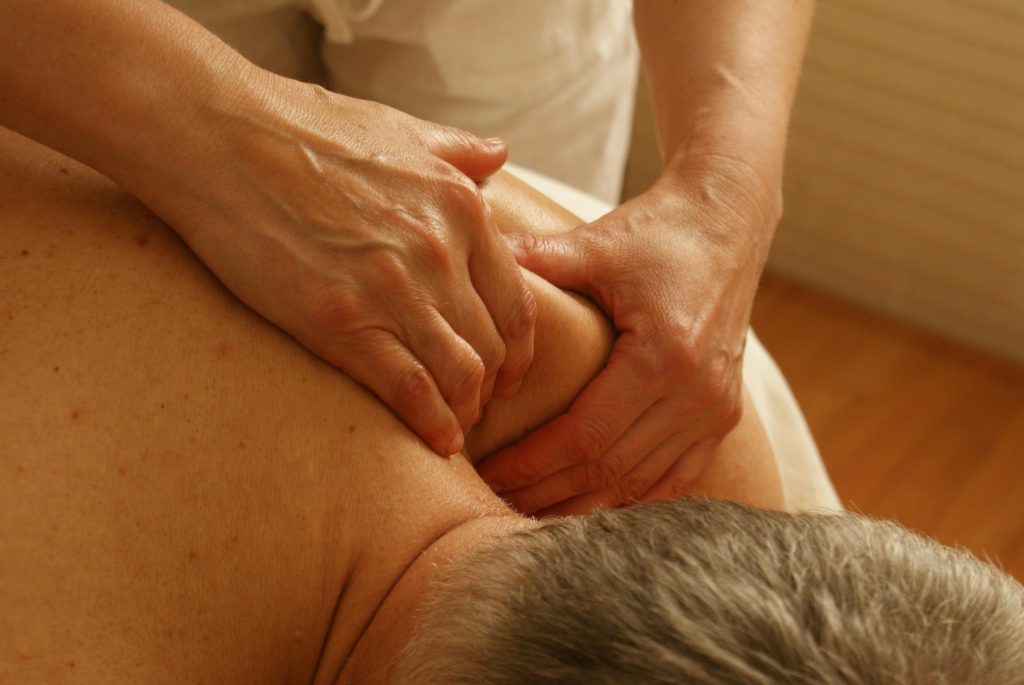

Upper body pain has a way of creeping in when you least expect it. Maybe it’s from hunching over your desk, a long drive, or carrying shopping bags that seemed light at the time. Before you know it, your neck feels stiff, shoulders are sore, and your back starts giving you grief. For many people, these aches come and go. But when they stick around, it can affect everything from your sleep to your mood and daily energy.
That’s where deep tissue work can help. This isn’t light relaxation. Deep tissue massage targets the deeper layers of muscle and fascia where tightness builds up and lingers. Instead of easing just the surface, it works into the parts of your body that store long-term stress. Whether you’ve been over-exerting your body or not moving around enough, this approach can bring meaningful relief. If you’re looking for remedial massage in Caulfield, care from qualified therapists is just around the corner.
Understanding Upper Body Pain
Upper body pain can show up in different ways. Sometimes it starts suddenly, like after a poor night’s sleep or an awkward movement. Other times, it builds gradually through daily habits. At first, it may seem minor or easy to ignore. But if left untreated, it often grows into pain that nags or limits your ability to enjoy normal activities.
Here are some of the most common causes of upper body pain:
– Muscle strain from things like lifting, poor form, or repeated movements
– Spending long hours at a desk or behind the wheel with little movement
– Postural imbalances from slouching or how you carry weight
– Stress or anxiety, which often settles into the shoulders and neck
– Poor sleep positions that put strain on your upper back
Pain in this region isn’t just a physical issue. It can affect focus, sleep quality, energy levels, and even mood. Something as simple as turning your head to check traffic or lifting a kettle can suddenly feel like a challenge. Often, it’s during quiet moments like lying in bed or trying to focus at work when the pain is most noticeable.
While over-the-counter creams or stretching might provide short-term relief, deeper issues usually need expert attention. Muscle patterns, tension build-up, and reduced circulation tend to sit much deeper than quick fixes can reach.
The Benefits of Deep Tissue Massage
Deep tissue massage is a technique that works through the outer layers of muscle to reach the underlying muscle groups. It involves slow, focused strokes that are typically firmer than a traditional relaxation massage. The goal isn’t to create discomfort but to release chronic tension in the muscle layers and connective tissue.
Unlike lighter styles that stay near the surface, deep tissue massage is intentional and precise. It aims to:
– Loosen stubborn tight areas that restrict movement
– Improve blood flow to reduce inflammation and speed up recovery
– Break down knots, adhesions, and scar tissue from repetitive use
– Provide pain relief that lasts longer than surface-level approaches
For upper body pain, this may include work across the shoulders, mid-back, neck, upper arms, and even the chest. These areas are all connected and often store the physical load of a busy lifestyle. Each session is adjusted to your needs. That means the therapist may spend more time where tension shows up most clearly, based on how your body responds during the treatment.
It’s not uncommon to feel muscle release in real time. Many clients notice a shift in their shoulder range or neck rotation mid-session. One person described it as finally having “space between their shoulder blades again” after weeks of feeling hunched and tense.
How Deep Tissue Massage Alleviates Pain
A typical deep tissue massage follows a progression that allows your body to adjust and respond. It starts with warming up the muscles using lighter strokes, which helps create circulation and softens the tissue. Then the therapist moves on to deeper, slower movements, following the grain of the muscles to target deeper tension.
For clients with upper body concerns, therapists usually focus on four key zones:
– Neck and shoulders, where stress builds quickly
– Mid to upper back, especially from poor sitting posture
– Rotator cuff and around the shoulder blades for those who lift often
– Chest and upper arms to support open posture and balance tension
Massage pressure is adapted to how your muscles feel that day. If an area is sore or inflamed, the therapist may approach it more gently at first, gradually increasing as the muscles adjust.
The hands-on stimulation does more than just loosen knots. It also improves circulation, which helps clear waste and brings in fresh oxygen and nutrients. This flow supports healing and can ease stiffness or fatigue. Many clients say they feel taller or more upright after a session, often because the muscles are no longer pulling on the body unevenly.
While some soreness the next day is normal, it generally fades within 24 to 48 hours and is often part of the healing process. It’s your body adjusting to improved movement and realignment.
Maximising the Benefits of Your Massage Session
Preparing properly and caring for yourself afterward can extend the benefits of your massage. Whether it’s your first deep tissue treatment or part of ongoing care, a few small steps can go a long way.
Here are ways to make the most of your session:
1. Stay well hydrated both before and after. Water helps prevent soreness and assists in flushing out waste products.
2. Give your body an easy movement, like a short walk, following the massage. It helps your muscles stay relaxed.
3. Avoid heavy lifting or intense activity right away. Let your muscles rest and recalibrate.
4. Use a heat pack that evening if you notice any soreness. It can reduce tension and support continued release.
5. Do some light stretching the following day. Nothing forceful—just gentle moves to support mobility and comfort.
Deep tissue massage works best when part of a regular routine. Chronic pain develops over time, and sustainable relief often comes from consistent care. Booking sessions regularly can prevent issues from returning or building up again. It also helps address new tension before it turns into lasting discomfort.
Experience Relief at La-Moon Thai Massage
Upper body pain doesn’t have to run your day or keep you up at night. Whether tension is coming from poor posture, long workdays, stress, or physical activity, it doesn’t need to be ignored. Deep tissue massage provides a practical solution that focuses directly on the cause instead of just the symptoms. Over time, it can reset how your body holds tension and help you move more freely again.
Beyond the physical results, many people report feeling calmer, more energised, and better able to handle their daily pressures after consistent massage care. It brings an often-overlooked sense of balance to a busy or overworked body.
If you’re looking to get back to feeling good and moving with ease, our team at La-Moon Thai Massage is here to help. Through tailored remedial massage in Caulfield, we focus on the areas you need most, providing hands-on support in a space designed for your comfort and wellbeing.
If you’re ready to ease discomfort and feel more at ease in your day-to-day, consider the benefits of remedial massage in Caulfield at La-Moon Thai Massage. Our experienced team is here to help you move freely and feel your best.