As winter in Australia starts to shift into the earliest hints of spring, it is natural to want to move a bit more. Long walks are a simple and calming way to take in the fresh air while shaking off hours spent indoors. But once we have been on our feet for a while, we often notice tightness or tiredness creeping in, especially in colder weather. That is where a bit of thoughtful care can come in handy.
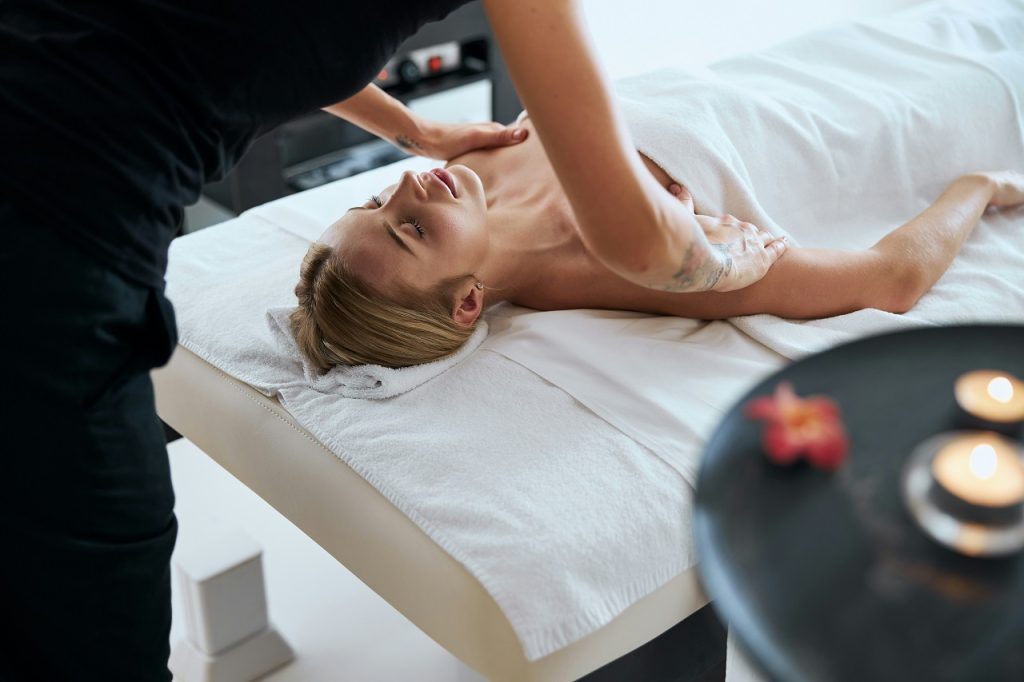
When we match our recovery with the type of movement we have just done, the body tends to feel more balanced afterward. Massage services can offer much-needed support after a long walk, depending on what kind of strain or pace your body went through. The goal is not about doing more but helping your body settle back into ease with the right approach.
Why Walking Impacts the Body More Than We Think
Walking seems simple, but the body uses a surprising range of muscles even during a short outing, especially if the route has some slopes or uneven paths. Legs are constantly shifting weight, hips are anchoring movement, and your back and shoulders quietly work to keep you upright and balanced.
- On flat roads, the feet and calves take on repetitive motion, which can lead to soreness by the end of a longer walk
- Hilly trails often demand more from the thighs and glutes, leaving them tight and possibly tender
- Cold weather makes it harder for muscles to stay loose, so a long walk in lower temperatures may cause joints to feel stiffer
In places like Caulfield North, where paths vary and temps can dip through late winter, it is common to come home from a walk feeling worked in ways you did not expect. The muscles might not hurt right away, but they often feel heavy, chilled, or slow.
Choosing a Massage Based on How the Walk Felt
Not every walk leaves you feeling the same, and how your body reacts should guide what kind of massage might help most. Some days, you feel fine but need a bit of extra ease. Other times, you are sore or off-balance. The massage style you go for can shift depending on what your body is asking for.
- If you have had a calm, steady walk and just feel lightly sore or a little tight, a relaxation massage or aromatherapy style can offer gentle touch to ease muscles back into softness
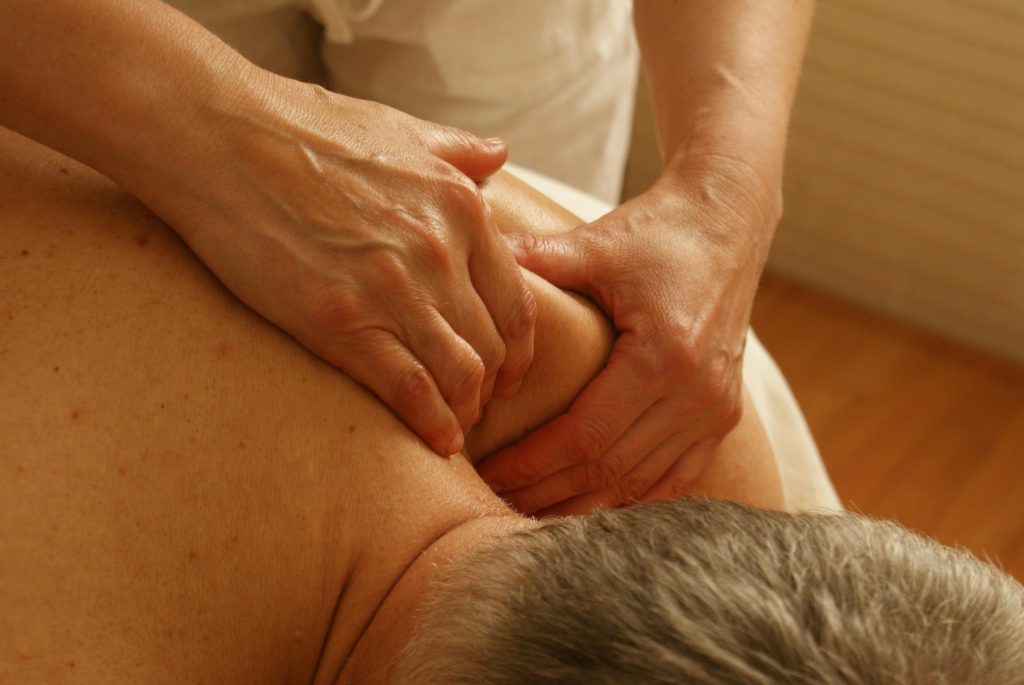
- After longer or uphill walks, tired legs might benefit from a traditional Thai massage that includes stretching and deeper pressure, helping shift lingering fatigue
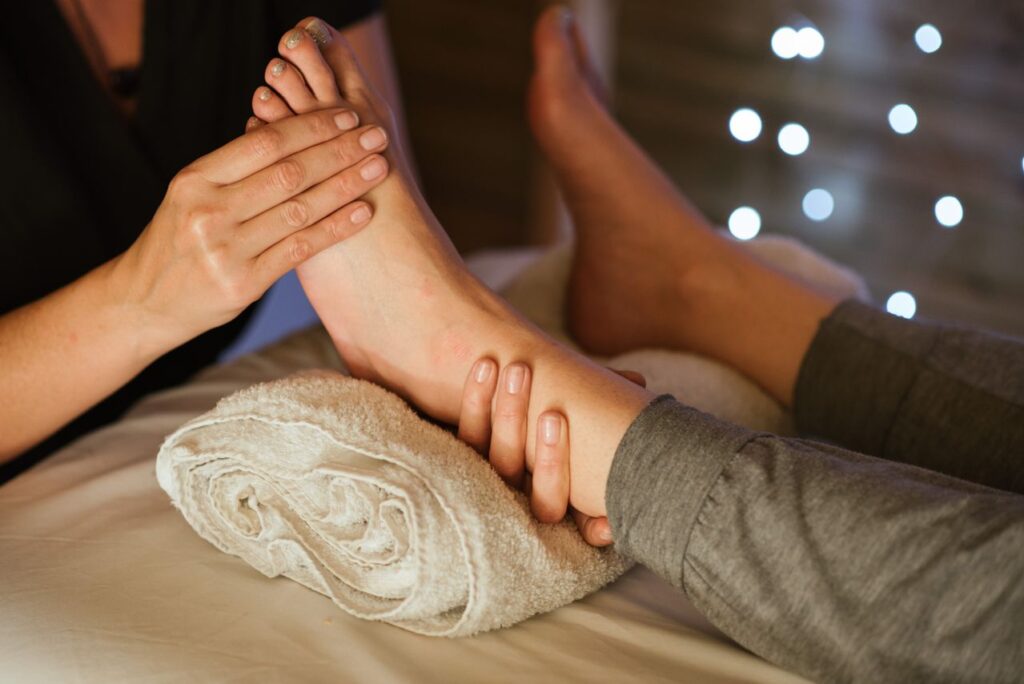
- If your stride felt stiff or uncomfortable along the way, a slower massage with focus on hips, feet, and posture muscles can be a smart option to re-balance the body
When we take the time to notice how we felt during and after the walk, we can choose massage services that actually support the areas under strain, not just offer general relaxation.
At La-Moon Thai Massage in Caulfield North, VIC, we provide a selection of massage services including traditional Thai, aromatherapy, and remedial treatments. Each option can be adjusted to meet your recovery needs, targeting specific tension from walking or helping muscles unwind at your own pace.
Timing Your Massage Post-Walk
When to schedule your massage makes a difference. Some walkers prefer to wait a few hours or even until the next day, while others book something soon after getting home. What matters is knowing your body’s timing.
- If your muscles feel warm and loose after the walk, booking a massage that same day can work well
- If you feel shaky, unusually sore, or chilled from the weather, waiting until your body resets a little might make the massage feel more effective
- Keep an eye on signs like tight knees, aching soles, or a stiff lower back to guide your timing
After your massage, light movement can help you hold onto the benefits longer. A gentle walk around the block or easy stretching at home keeps circulation flowing and muscles from tensing again. Drinking water helps too, especially after longer sessions where deeper work happens.
What to Share With Your Massage Therapist
The more your therapist knows, the better they can support you safely and calmly. It does not need to be a long explanation, just a few clear details about what kind of walk you did and how you are feeling after can make a big difference.
- Share what kind of surface you walked on, paths, pavement, hills, and how long you were out
- Mention any specific discomfort, like sore heels, tight upper thighs, or tension in your shoulders from posture
- Give a sense of what you want out of the session, do you want to feel relaxed, looser for moving tomorrow, or just less heavy
This type of check-in helps the session stay focused and more in tune with what your body responds to best, which is especially important if you have just asked a lot of it physically.
How to Leave the Table Ready for Your Next Steps
Pairing the right massage with a strong walk is not just a luxury. It is a way to care for the parts of your body that hold you up and move you through each day. Your muscles do not necessarily need more work after movement, they often just need honest rest shaped around how they are feeling.
When we line up our recovery with what the body actually experienced, we take a step toward long-term ease. Massage that meets you where you are at, instead of pushing for more, lets your system reset without strain. That way, when you head out on your next walk, it feels like something to enjoy again, not something your body has to brace for.
At La-Moon Thai Massage, we are ready to support your recovery after regular walks or longer adventures with a range of treatment options matched to how your body feels. Our focus is on gentle, thoughtful touch, never rushing, whether you are dealing with general fatigue or lingering tightness from cold-weather outings. Browse our different massage services to see what suits your needs, and give us a call when you are ready to book.