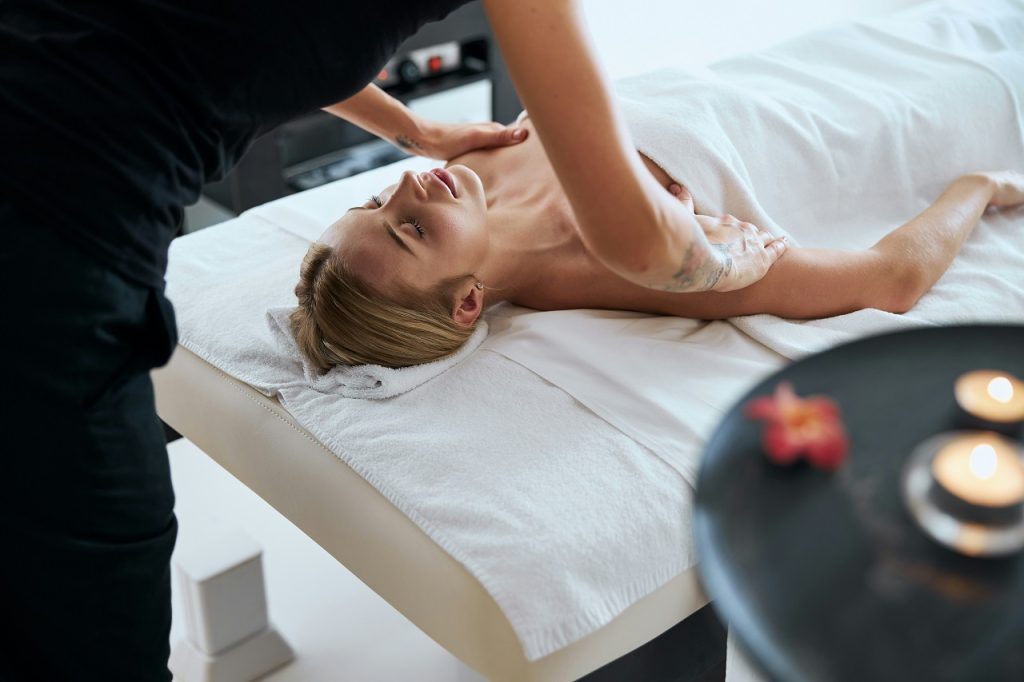

After a long day at a desk, neck and shoulder knots can feel like hard little sore spots that just hang around. If we’re searching remedial massage Caulfield after work, it often means our upper back is tight and our head feels like it’s sitting a bit too far forward. That sort of tension can build without us noticing, one email, call, and deadline at a time.
We’re going to talk about what these “knots” often feel like, why desk days set them off, and what tends to help when the tightness keeps coming back. We’ll keep it simple, practical, and focused on comfort and safety. If anything feels new, sharp, or worrying, it’s a good idea to check in with a qualified health professional for personal advice.
Why Desk Days Create Neck And Shoulder Knots
When people say “knots,” they usually mean a patch of muscle that feels tight and tender when pressed. Sometimes it’s a firm strip across the top of the shoulder. Other times it’s right where the neck meets the shoulder, and turning the head makes it feel worse.
Desk life stacks the odds in favour of tight muscles. We tend to sit still, eyes locked on a screen, hands doing the same small moves all day. Over time, the body can start to “brace” without us realising.
A few common patterns show up again and again:
• Head-forward posture, where the chin pokes out a bit and the neck has to hold more load
• Shoulders creeping up, often when we feel rushed or stressed
• Repeated small actions, like mousing, typing, scrolling, or holding a phone between shoulder and ear
Late January in Melbourne often brings heat, long daylight hours, and a packed start to the year. That busy feeling can make us clench without noticing. Air con can add to it too, since sitting under cool air for hours can leave the upper back feeling stiff and guarded.
Signs Your Tightness Is More Than “Just A Stiff Neck”
A stiff neck after a big day is common. What gets frustrating is when it stops feeling like a one-off and starts messing with sleep, mood, and focus. We might wake up feeling “fine,” then the heaviness hits by lunch.
Here are signs the neck and shoulders may be overloaded rather than just tired:
• Headaches that feel like they start at the base of the skull
• A weighted, droopy shoulder feeling by mid-afternoon
• Turning the head feels limited, slow, or guarded, like the body is resisting the movement
Sometimes the tightness spreads. The front of the shoulders can feel short and tight, the chest can feel tense, and the upper back between the shoulder blades can start to ache. Stress can sneak in too, showing up as jaw clenching or a tight face and throat.
We need to be cautious with new or worrying symptoms. If pain is sharp, sudden, or linked to an accident or fall, it makes sense to pause and get checked by a qualified health professional. Pushing through when something feels wrong can leave us feeling stuck and anxious.
What Usually Helps And Why Remedial Massage Can Feel Different
When knots don’t settle, many of us look for hands-on support. Remedial massage is often chosen when the aim is to focus on problem areas, not just general relaxation. The feel of the session can be different too. It’s usually more targeted, with attention on the muscles that tend to work overtime during desk days.
A good session often feels like a mix of care and precision, not brute force. Strong pressure is not the goal on its own. Some areas can be sensitive, and pushing too hard can leave us feeling sore and tense again.
It can help to ask for what suits our body on the day:
• Slower work on tender points, so the area has time to soften
• Attention to muscles that can send discomfort up into the head or out into the shoulder
• A pace and pressure that feels safe, with regular check-ins
If we’re booking remedial massage Caulfield, it can help to choose a place where the therapist asks about desk habits, stress levels, and what movements feel tight. Those details matter, since two people can both say “neck pain” and mean totally different things.
How To Book A Session That Matches Your Desk Pain
A lot of people wait until they are fed up, then book the first time they can get. That’s understandable. Still, a little clarity before we arrive can make the session feel more useful and less hit-and-miss.
Before booking, it helps to think through a few quick questions:
• Where is it worst, the neck, the tops of the shoulders, or between the shoulder blades?
• What pressure feels safe today, light, medium, or firm?
• What is the main goal, easing tenderness, loosening stiffness, or calming stress?
At the start of the session, sharing simple context can guide the work. We can mention where we sit most days (home desk, office, laptop on the couch), how long we sit without breaks, and any spots that feel too sensitive to touch.
Comfort matters the whole time. We can ask for more quiet if we want to switch our brain off. We can ask for more check-ins if we feel unsure. We can ask to avoid an area that feels too sore. Clear boundaries are normal, and they help build trust.
Keeping Knots From Flaring Up Between Sessions Without DIY “Fixes”
We don’t need a big routine to reduce flare-ups. Often it’s the small habits, repeated daily, that keep the shoulders from creeping up and staying there. The aim is not to “fix ourselves”, it’s to stop feeding the same tension pattern hour after hour.
Simple desk habits that may help reduce repeat strain include:
• Quick posture resets: drop the shoulders, unclench the jaw, let the tongue relax
• A screen check: bring the work up to eye level so we’re not leaning forward
• Micro-breaks: stand up, change position, let the arms hang by the sides for a moment
Lifestyle triggers can play a part too. Poor sleep can leave muscles feeling guarded. Stress can wind the body up, so we hold tension without noticing. Even driving can set things off when we grip the wheel hard and lift the shoulders.
A simple approach is to notice patterns. When does the tightness start, morning, mid-day, or after dinner? Once we spot the timing, we can plan support around it, rather than waiting for the worst day.
A Lighter Neck And Shoulders For The Week Ahead
Neck and shoulder knots after desk days often come from posture, repetition, and stress piling up together. The sore spots may feel small, yet the impact can spread into headaches, heavy shoulders, and a stiff upper back that makes simple movement feel harder.
What tends to help is a mix of awareness and the right kind of support. When we understand our triggers, speak up about pressure and sore areas, and choose care that feels safe, the tightness can feel less like a constant problem and more like something we can manage week to week.
Desk tension can keep creeping back, and many people find it helpful to talk through options with someone who understands how repetitive work affects the upper body. We’re often asked about remedial massage Caulfield and how different session styles may suit neck and shoulder tightness from long desk days. At La-Moon Thai Massage, we take time to listen, answer questions and help people feel clear about what support might suit them. To chat about your neck or shoulder concerns and find out what a session could look like, please contact us.