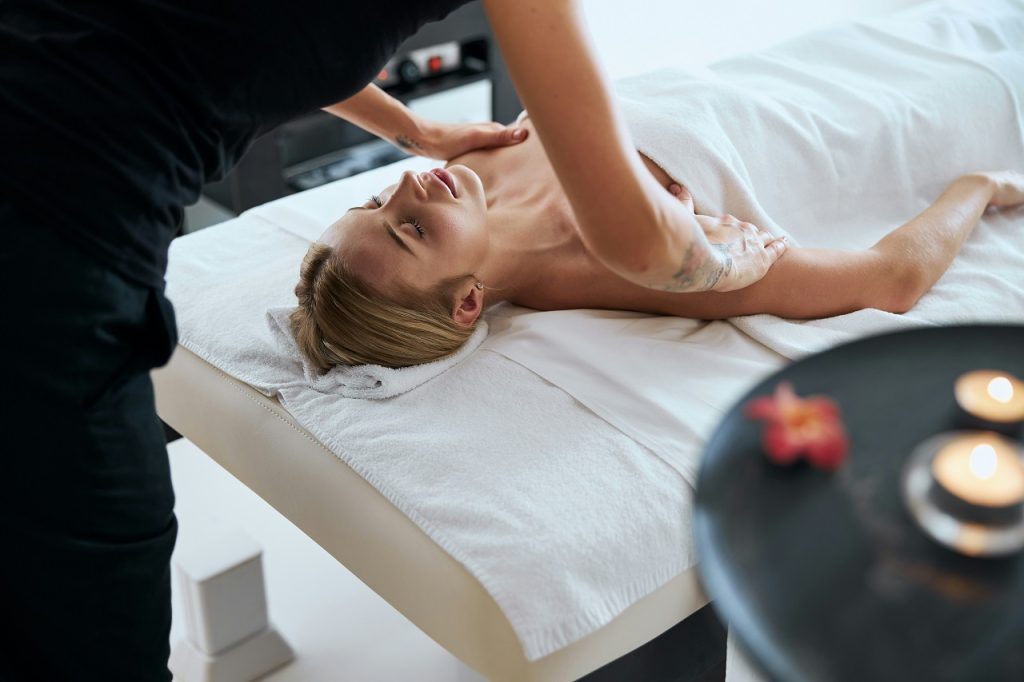

Dealing with sore muscles after a tough workout or game isn’t just frustrating, it can get in the way of your performance, sleep, and daily comfort. When movement starts to feel restricted or painful because of strained muscles, it’s a good idea to give your body time to recover. One treatment that really makes a difference for active people is deep tissue massage. It’s known for working through muscle tightness and letting your body bounce back faster and with less pain.
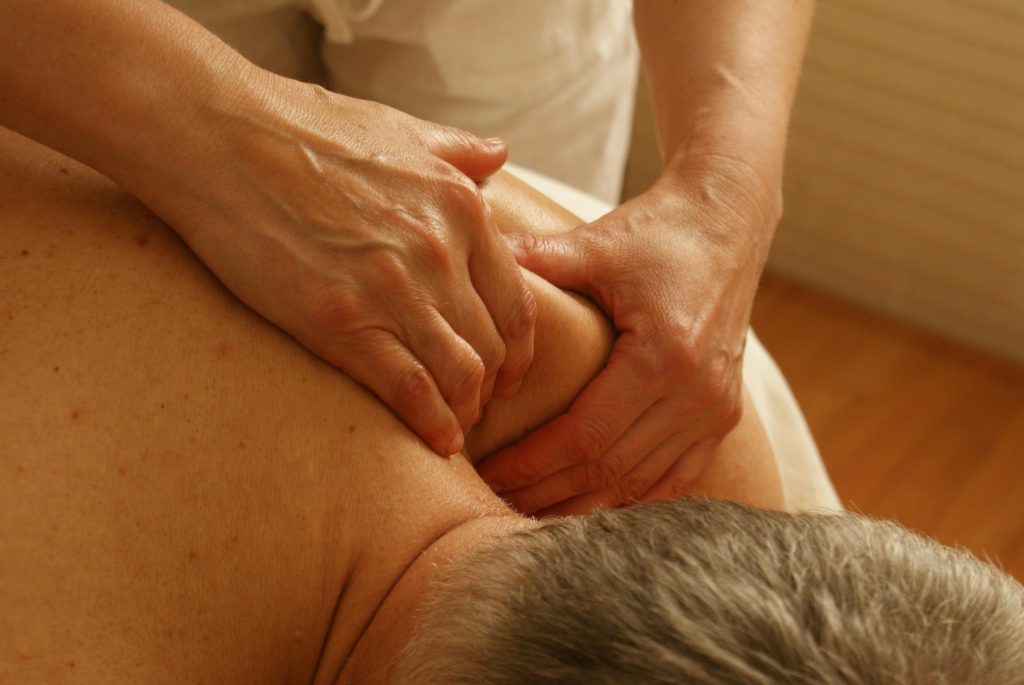
A deep tissue massage works by targeting the deeper layers of muscle and connective tissue using firm, slow pressure. This type of treatment is different from a gentle or relaxing massage, as the goal is to help release chronic tension. It’s especially helpful when you’re dealing with sports-related issues like pulled hamstrings, tight calves, or sore shoulders from repetitive movement. Done well, it can reduce built-up stiffness, improve blood flow, and support long-term flexibility.
Understanding Sports-Related Muscle Strain
Muscle strain from sports or exercise happens when you overuse or overstretch your muscles, causing tiny tears in the tissue. It often shows up as soreness, swelling, or stiffness a day or two after physical activity. Some people get it from trying a new movement or pushing harder than usual, while others feel it after not warming up properly or taking breaks between sessions.
The symptoms aren’t always dramatic, but they can linger if the muscle doesn’t get time or support to heal. Signs to look out for include:
– Sharp pain during or after activity
– Swelling in a specific area
– Weakness or reduced range of motion
– Mild bruising or visible redness
– Pain that worsens when you stretch or apply pressure
Without care, these strains can build up over time and start interfering with your workouts or daily routine. If left untreated, they might even lead to more serious injuries, as the body tries to compensate by shifting the effort to other areas. Muscles need recovery just like any other part of your routine, and rest alone sometimes isn’t enough.
One example: imagine a regular runner who starts to feel a deep ache in their right thigh. They push through a few more days of training thinking it’ll fade. But because they don’t address the strain, their left leg begins taking extra pressure. Suddenly, their knee starts to hurt too. It’s this kind of cascade effect that makes proper treatment worth considering early on. Understanding how these injuries form is key to stopping the cycle.
Why Deep Tissue Massage Is Effective
A deep tissue massage doesn’t just rub out the pain. It involves applying slow, firm strokes that go beyond the surface level. The idea is to reach deeper structures of muscles and fascia (connective tissue) that might’ve become tight, stuck, or even knotted after strain. This helps unclog build-up, increase oxygen flow to sore areas, and stretch out fibres that aren’t moving like they should.
Here’s why deep tissue therapy can be a smart choice after a sports-related muscle strain:
– It loosens knots and adhesions that form during strain or overuse
– It lessens swelling by improving circulation in tense areas
– It helps break up scar tissue if the muscle’s been overused
– It restores movement by lengthening tight muscle fibres
– It reduces pain by calming nerve endings and shifting pressure away from inflamed spots
The key is the depth and purpose of the movements. Unlike lighter styles, it’s not about making you feel floaty or sleepy. It’s about making progress in your muscle recovery. That can mean some discomfort during certain techniques, but you should never leave feeling worse than when you walked in.
When carried out by a trained therapist, a deep tissue massage can support your body’s healing process. It helps the muscles regain flexibility and balance, which is helpful when you’re aiming to stay active without recurring injuries.
Preparing For Your Deep Tissue Massage
Getting the best results from a deep tissue massage doesn’t just happen on the table. It starts before you even walk into the treatment room. A bit of preparation can help your body respond better during the session and feel even better afterward.
Here are a few tips to help you get ready:
– Drink plenty of water before your appointment to keep your muscles hydrated. This helps your therapist work through tension more easily
– Wear loose, comfortable clothing so you’re not restricted when changing or moving around after the massage
– Skip any heavy meals right before your session. A light snack is fine, but being too full could make you feel uncomfortable lying down for an hour or more
– Arrive a few minutes early to fill out any forms, discuss any concerns, and mentally switch gears
– Let your therapist know about any injuries or areas that hurt more than usual. Clear communication plays a big role in your results
Some clients feel unsure about how intense a deep tissue massage will be, but every good therapist will adjust the pressure to what works for you. It’s okay to speak up during the session if something doesn’t feel right. Working through some discomfort is normal, but pain should never be ignored. The aim is relief, not more stress on your body.
If it’s your first time getting this type of massage, don’t be surprised if you feel a bit sore the next day. That’s part of your body recalibrating. It’s not unlike how you feel after a tough but effective workout.
What To Expect During And After The Massage
Your therapist will probably begin with lighter pressure to warm up your tissues before moving into deeper strokes. These strokes hike up in intensity as they focus on layers of muscle and specific tight spots. It can feel intense, but the payoff is worth it when you start to feel that stiffness melt away.
They’ll work the problem area but may also include nearby areas that help support or are impacted by that strain. So, if your shoulder aches, don’t be surprised if they also work your upper back or neck. It’s all connected, and treating it as a whole gives you better results. The deeper pressure is applied in a slow, controlled way and doesn’t need to be painful. Breathing through those deeper strokes often helps with any tension you might feel.
After your appointment, your body might feel a little tender, especially where there was the most build-up or tightness. This usually fades within 24 hours. A massage like this moves a lot through your system—improved blood flow, reduced tightness, and breaking up tissue that might’ve been stuck—so your body needs time to adjust.
To help you feel even better after:
– Drink water to help your system flush everything out
– Avoid lifting or strenuous movement until soreness fades
– Use a warm compress if something feels particularly tender
– Get a solid night of sleep to give your muscles good rest
As the soreness eases, most people are left with better mobility, less pain, and a more relaxed body. If you have an active lifestyle or train regularly, making deep tissue part of your ongoing recovery plan can support better performance and fewer injuries in the long run.
Let Your Body Heal The Way It Deserves
Muscle strain from exercise or sports can throw things off quickly and stick around far too long if not properly cared for. And while rest plays a part, deeper work is often needed to get real relief. That’s where deep tissue massage comes in.
This style of treatment focuses on what’s happening under the surface. It works through tightness, stiffness, and those stubborn areas left behind by effort, movement, or stress. When you include deep tissue massage in your fitness and wellness habits, your body not only feels better, it performs better.
At La-Moon Thai Massage, we understand how sports-related muscle strain can affect every part of your daily life. That’s why our experienced therapists offer treatments that target your pain and support recovery the right way.
Feel ready to finally give your body the care it needs? Consider experiencing the best deep tissue massage that targets those stubborn muscle strains effectively. At La-Moon Thai Massage, our skilled therapists understand what your muscles need to recover and feel their finest. Discover how this treatment can support your recovery and give you lasting relief.