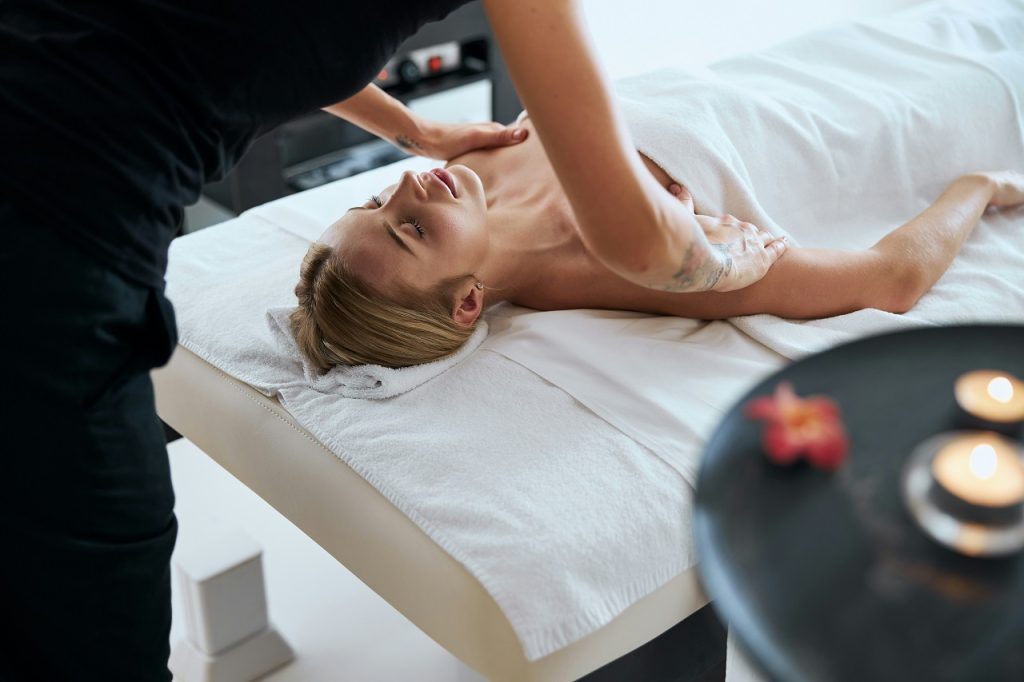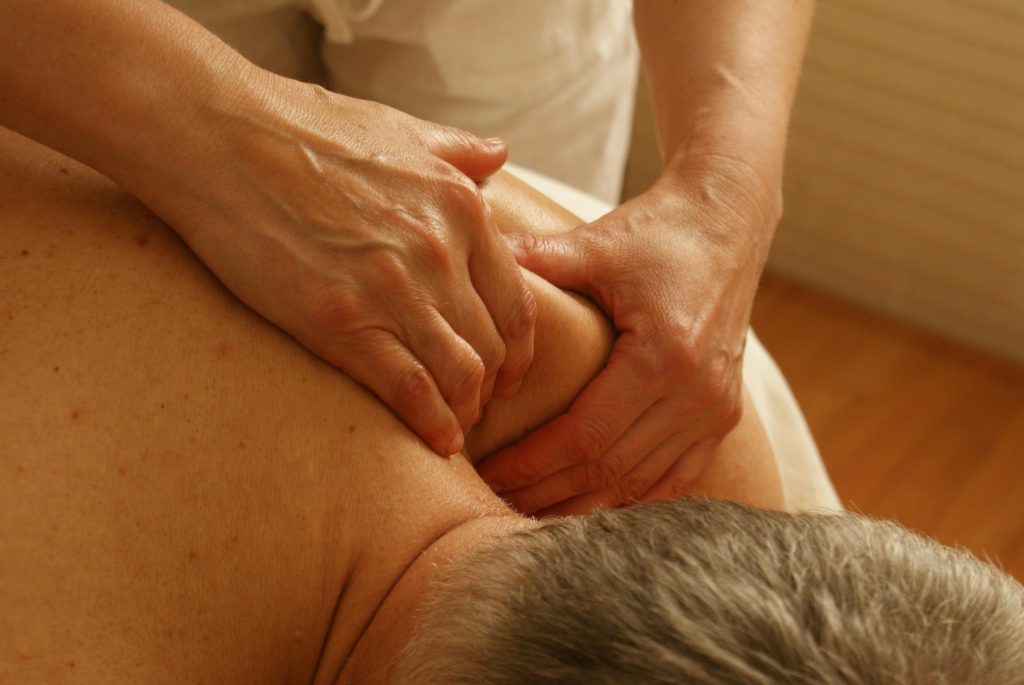
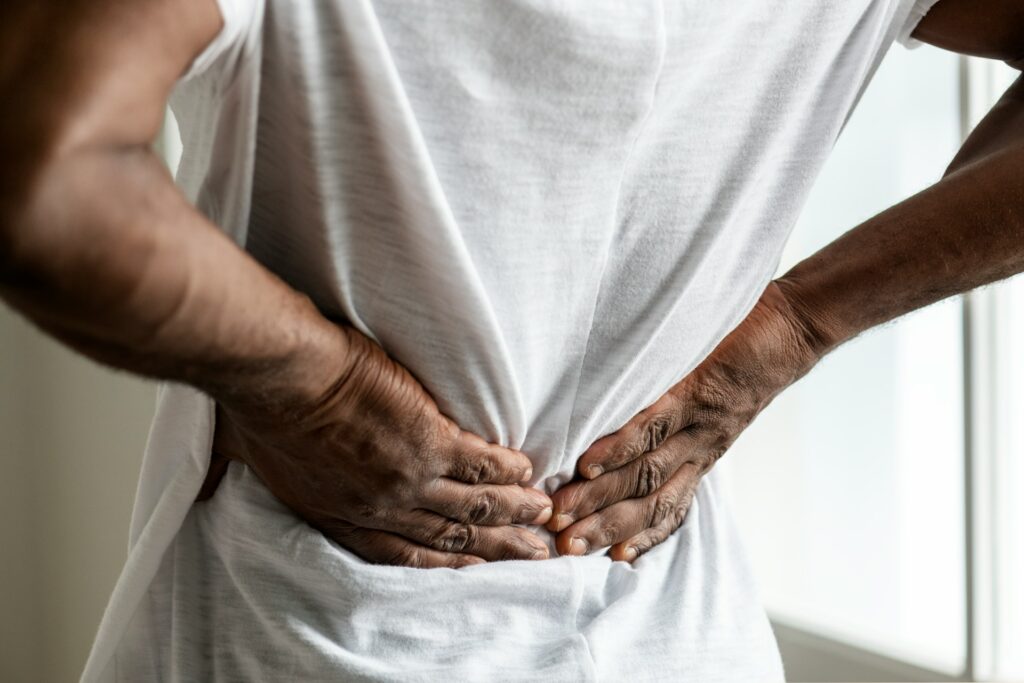
Having sore muscles or a stiff back after getting what should be the best deep tissue massage can feel a bit confusing. You have booked a session expecting to feel better, but instead, you are still uncomfortable. It is easy to wonder if something went wrong or if the massage did not work.
The truth is, deep tissue massage goes far deeper than a gentle rub. It targets tight and sometimes long-neglected areas of tension in the body. That kind of pressure does not always bring immediate comfort and can stir up soreness while your body processes the changes. Understanding what is behind that lingering back pain can help you make sense of what is really happening and whether it is something to worry about.
Understanding Deep Tissue Massage
Deep tissue massage is not about surface-level relief. It works through layers of muscle that have held tension, sometimes for years, without much attention. This means it is more focused and often firmer than standard massage approaches.
• The goal is to reach deeper tissue that may be stiff or restricted by old knots, scar tissue, or stored physical stress.
• A session might feel intense during parts of the treatment, depending on your sensitivity and where the therapist works.
• Even though it is considered one of the best deep tissue massage options for long-term comfort, the short-term effects can include some discomfort.
At La-Moon Thai Massage in Caulfield North, VIC, our deep tissue technique is just one of several offerings that focus on both relaxation and targeted pain relief. Sessions are provided in private, clean rooms for maximum comfort and professionalism.
This type of massage does not deliver instant results for every body. It can take time before the muscles respond to the shift and begin releasing properly. That is especially true if you have had prolonged muscle tightness from work habits, high stress, or limited movement.
For some people, deep tissue massage is the first true release their muscles have experienced in months or even years. When tension is held in place for that long, untying those knots requires more than a light touch. The process can be intense, as muscles are unburdened from their usual state. Let yourself adapt to the tactile changes in your body, which may sometimes come with soreness or brief discomfort, but frequently turn into much-needed relief in the days after.
Why Residual Soreness Is Not Always a Problem
Feeling sore after a massage does not always mean something went wrong. Often, it means your body is reacting to the manipulation in a normal way. Much like how you might feel after a good workout, muscle tissue can become tender after being worked deeply.
• The nervous system might react to physical pressure with protective tension, especially if you are not used to it.
• Your muscles could be slowly adjusting to a new position or level of mobility that has been restricted for some time.
• In many cases, that soreness means the therapist successfully reached an area that had been locked up, which can be a step forward.
It is important not to ignore how your body feels, but a bit of insight into how massage works might help you feel less alarmed by the experience.
Instead of judging your body’s initial soreness, try to observe how the tension shifts over the following days. Often, soreness fades naturally as circulation improves and muscles settle into a more relaxed state. Pay attention to how movement or posture feels after the massage, especially if certain motions feel smoother or more effortless than before.
When Back Pain After Massage Needs a Closer Look
Not all pain after a massage is part of the process. There is a difference between feeling sore in a “worked” way and having sharp or nagging pain that does not go away. Sometimes, your back pain may pop up again because of old habits outside the treatment room.
• If you sit too long after your massage or return to poor posture, built-up tightness can reappear quickly.
• Not moving enough afterward can cause muscles to settle back into tension instead of loosening further.
• Daily stress, repetitive movements, and lack of stretching can keep the body from fully responding to treatment.
If the pain feels out of place or continues well beyond a day or two, it may be worth noting when it started and what you were doing before and after. That could point to other causes your body is responding to, not just the massage itself.
Sometimes, what seems like a lingering ache is the result of compensations that developed over time. If one set of muscles is stretched or released, others may take on extra work temporarily. Observing where you feel discomfort can help you understand how interconnected your muscles and movement patterns really are.
How to Get More Out of the Best Deep Tissue Massage
To feel more comfortable after a massage and help your body respond well to it, your habits before and after the session can make a big difference. Small adjustments go a long way in helping deep tissue work settle in.
• Drink water and move around gently after your session to help clear any muscle waste stirred up during treatment.
• Let your therapist know which areas felt too tender or did not respond well. Open communication helps shape future sessions.
• Book regular appointments when possible. That way, your muscles do not have to go through a big change each time, they are being maintained instead.
We encourage making time for your own wellbeing by offering a range of appointments to suit your lifestyle, from express treatments to longer remedial sessions.
When you space massages too far apart, progress can feel harder to track. Having a consistent rhythm allows your body to adapt and release pressure steadily over time.
Another helpful step to take before future sessions is to stretch lightly or go for a short walk. Gentle movement helps wake up your body and prepares tight muscles to let go of tension more easily. After your session, allow yourself a calming activity, such as taking a warm bath or doing some breathing exercises, to encourage relaxation and help new muscle patterns settle in.
What If It Just Did Not Work for You?
Sometimes, the relief you were hoping for does not arrive right away. That does not always mean deep tissue massage failed, it could mean the timing was not right for your body, or the cause of the pain is more complex than it seemed.
• Things like stress, hydration levels, sleep, and other physical activity can all have an effect on your recovery.
• A single session may not be enough to get through long-standing back issues, especially if the problem is more layered.
• Or, it could be that another form of massage or bodywork is a better fit for how your body holds stress or tension.
Listening to what your body tells you after each session helps guide what might come next. If something does not feel right, it is worth checking in at your next appointment and adjusting the approach.
Each individual responds uniquely to massage. Be patient while working through the process, especially if your body requires a bit more time to adapt. Sometimes, tracking your progress through notes or journaling can help clarify which techniques offer genuine relief and which ones may need fine-tuning for better results.
Back Pain After Massage: Listen to Your Body and Your Therapist
A sore back after deep tissue massage can be unsettling, but it often means your body is adjusting. Much like other types of focused therapy, results do not always feel smooth at first. Tension that has built up over a long time does not just vanish, it shifts, settles, and sometimes pushes back before letting go.
Consistent massage therapy builds lasting relief over time, especially when the treatment is performed by our qualified practitioners who listen to your needs and provide personalised care. Tracking how you feel after each session can help both you and your therapist make the best decisions for your long-term comfort and mobility.
When your back is not feeling quite right after a session, it could mean your body is still adjusting or needs extra support. At La-Moon Thai Massage, we listen carefully and shape each experience to how you feel after every visit. Sticking with a consistent approach can help you get more lasting results from the best deep tissue massage, even when your routine or stress levels change. We are here to guide you at your own pace, never rushing the process. If you are wondering what your body needs next, just give us a call and we will talk it through together.