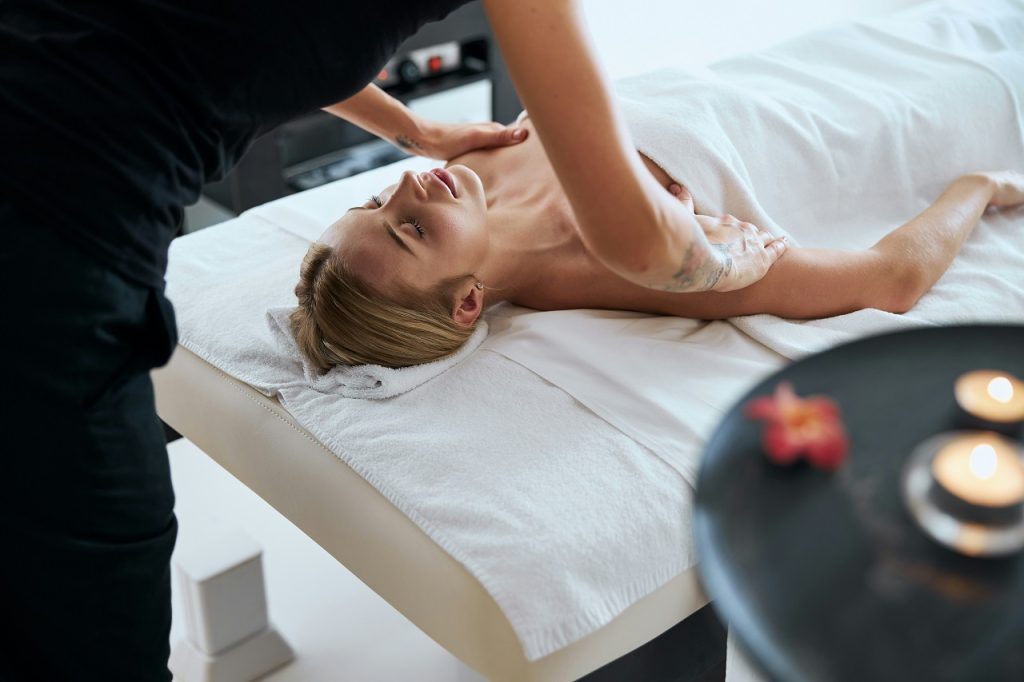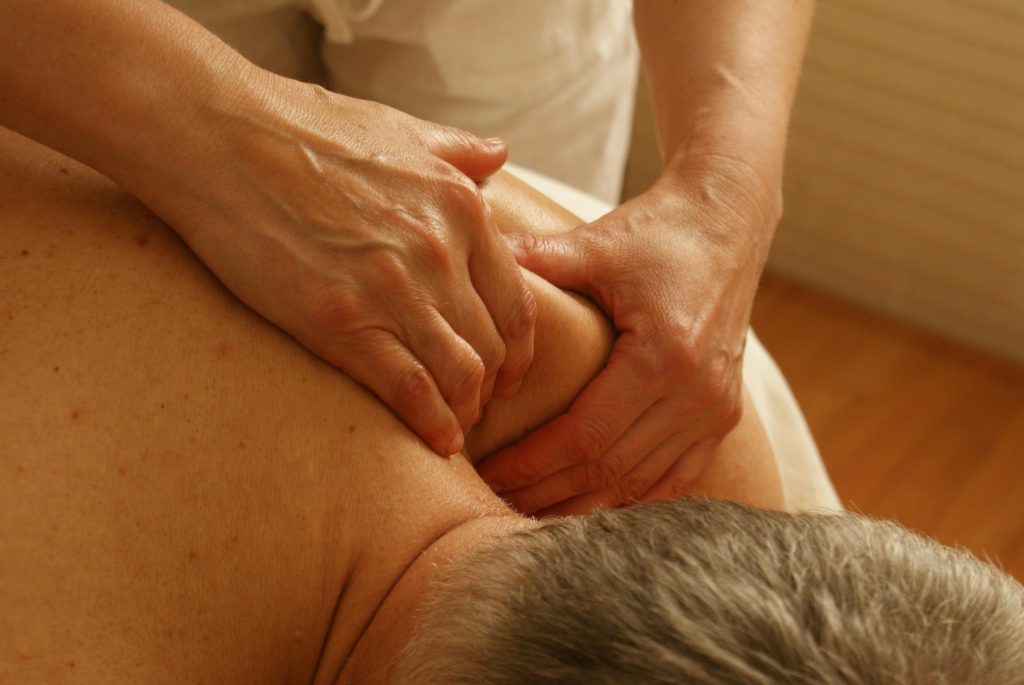
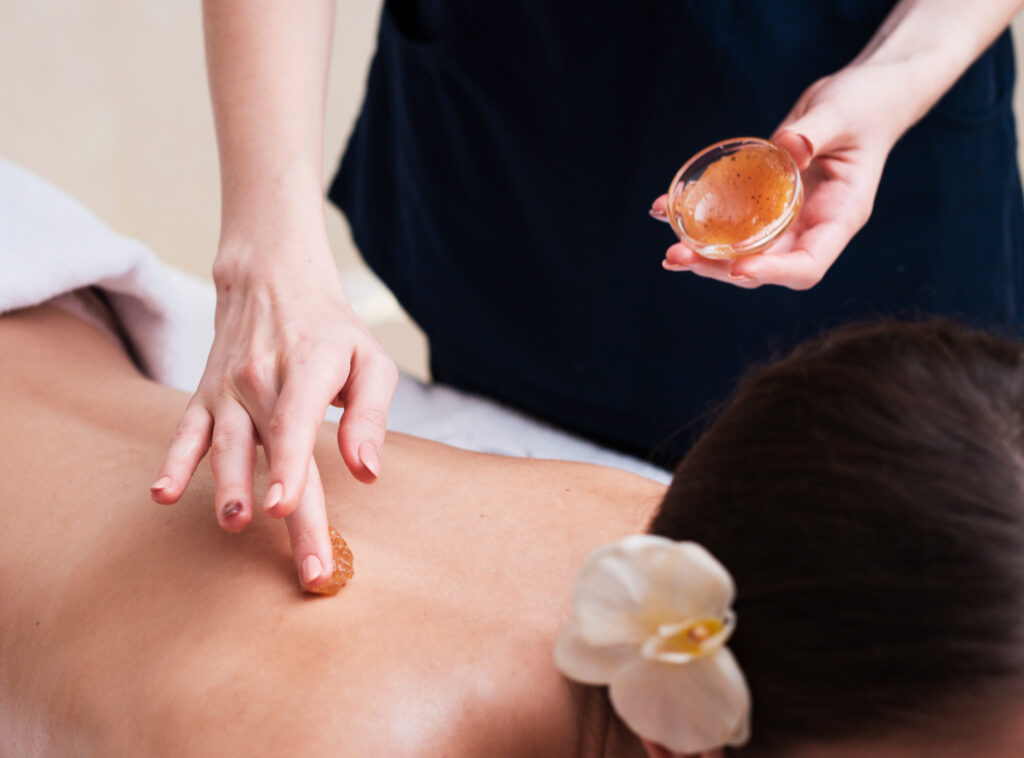
Combining massage techniques with aromatic oils isn’t new, but the blend of Thai massage methods and aromatherapy brings something especially calming and effective. Whether you’re dealing with body tension, sleepless nights, or just feeling drained, the mix of hands-on pressure and scent-based support can offer an experience that steadies both the body and the mind.
Thai aromatherapy massage connects the steady rhythm of traditional Thai techniques with the relaxing qualities of carefully selected essential oils. The result is a treatment that works through tight muscles while relieving stress and gently lifting your sense of wellbeing. For anyone seeking balance, it’s a soothing option that only asks for you to lie down, breathe, and let go.
Understanding Thai Massage
Thai massage is one of the oldest therapeutic practices still widely used today. Its roots go back hundreds of years, grounded in traditional Indian and Chinese medicine. Unlike Western oil-based massage, Thai massage uses stretches, shifts in body weight, and rhythmic pressure along the body’s energy lines. It’s often compared to assisted yoga, where the body is moved, stretched, and pressed into positions that release tension and increase circulation.
Here are some key points about Thai massage:
– The technique works on unseen energy lines in the body, aiming to clear any blockages that could disrupt balance.
– Stretches are core to the process and help support joint flexibility and release tension stored in deep muscle groups.
– Sessions typically work on the entire body from feet to scalp, offering a full-body restorative effect.
Movements might include palm presses on the soles of the feet, gentle rocking motions, and strategic stretching of your limbs. After a session, clients often report feeling supple, lighter, and better aligned. Some notice subtle changes in posture, breathing, or how they carry themselves throughout the day.
There’s also a strong mental component. Thai massage focuses just as much on mindfulness and clarity as it does on physical relief, making it an ideal fit alongside aromatherapy, which works through the emotional and sensory side of healing.
The Art of Aromatherapy
Aromatherapy uses distilled plant oils to support both physical and emotional wellness. These oils are absorbed through inhalation and through the skin when used during massage. Each scent has a unique interaction with the body’s natural rhythm, whether your goal is to calm the mind, sharpen focus, or ease aches.
Here are some of the most commonly used oils during a Thai aromatherapy massage:
– Lavender: known for its calming properties. Great for sleep or general winding down.
– Eucalyptus: opens up the chest and promotes stable, deep breathing.
– Lemongrass: fresh and energising. Helps ease sore muscles and boosts your mood.
– Ylang ylang: can support emotional relief, helping you feel more centred.
– Peppermint: bright scent that refreshes the senses. Especially useful if you’re feeling foggy or sluggish.
What makes these oils effective isn’t just the way they smell. They’re applied in specific areas during the massage so they can travel through the skin into your system. For example, eucalyptus might be used across the shoulders or chest to boost your breathing, while lavender may be applied closer to the neck or forehead to promote calm.
The outcome is a more immersive massage session. You’re not just getting the physical benefit of touch—you’re also shifting your mental and emotional state through the scent, helping your body tune in more deeply to the relief being offered.
Combining Thai Massage With Aromatic Healing
Meeting at the intersection of mind and body, Thai aromatherapy massage takes the deep, flowing techniques of Thai bodywork and layers in the benefits of essential oils. It’s more than just a sensory upgrade. It changes how your muscles respond, how fully you breathe, and how supported you feel overall.
When you come in for a Thai aromatherapy massage at La-Moon Thai Massage, your therapist begins with a personalised consultation. You’ll be asked about your needs—anything from sleep struggles to body tension or stress levels. Based on how you’re feeling, the therapist will select one or more oils that work best for your situation.
If you’re run-down or still buzzing with stress, oils like lavender might be paired with calming pressure on the shoulders and neck. If you’re feeling overly tired or stuck in a mental fog, sharper oils like peppermint can be used while working around the head, shoulders, and upper chest to lighten the body and refocus the mind. These thoughtful combinations create a layered treatment. Your mind relaxes under pleasant scents while your body surrenders under focused massage work.
Clients often share that they feel slower, more grounded, and more in-tune with their own bodies after a session. Physical tightness softens faster, moods even out, and sleep often arrives more easily that night. It’s not just about loosening a tight back or calming a racing mind—it’s about reconnecting across systems that often get ignored in daily life.
Preparing for Your Thai Aromatherapy Massage
A little planning before your session can make the experience even more rewarding. Here are a few simple ways to prepare and get the most from your visit.
1. Hydrate before and after. A well-hydrated system responds better to massage and can more easily flush out any tension or toxins released.
2. Avoid heavy meals. Being too full can make it difficult to relax, especially during the stretching parts of the massage.
3. Wear loose, comfortable clothing. Some Thai massage techniques involve movement and stretching before oil is applied.
4. Speak with your therapist. Share your current needs, concerns, or any areas you’d rather skip. The more they know, the better they can tailor the session.
5. Block out time afterwards. Give yourself extra time to stay relaxed post-massage. Rushing back into tasks may reduce how long the effects last.
Once the massage is done, don’t be surprised if its effects continue unfolding throughout the day or even into the next one. You might feel sleepy, emotional, or surprisingly energetic. Each of these is a natural reaction as your systems adjust. To support this, keep moving gently, stretch if it feels good, and drink water to help your body rebalance.
This kind of massage encourages recovery on every level, so honour what your body needs post-session. Light walks, naps, or quiet time can help extend the sense of wellbeing you just created.
Embrace the Harmony of Relaxation and Healing
At its core, Thai aromatherapy massage is about more than touch or scent. It’s about unity—techniques working with intention, scents working with your mood, your body responding with quiet ease. Each layer builds on the next, giving you a three-dimensional kind of calm that lasts longer and feels deeper.
This massage style brings relief in more ways than one. If you’re dealing with stiffness in your body, unsettled feelings, mental fatigue or unsteady sleep, it offers you a natural response from head to toe. It encourages stillness without effort, softness without weakness, and clarity without pressure.
Whether you’re brand-new to massage or returning for more care, this gentle blend can help get you back to yourself. A Thai aromatherapy massage invites your whole system to breathe again, slow down and come back into balance—on and off the table.
Ready to experience the blend of tradition and aroma for yourself? Discover the embracing harmony of a Thai aromatherapy massage at La-Moon Thai Massage. Feel the calming shifts as the scents work with skilled techniques, bringing a sense of relief and wellness you can carry with you. Whether you’re looking to unwind or address specific aches, our team is here to guide you through a truly soothing experience.