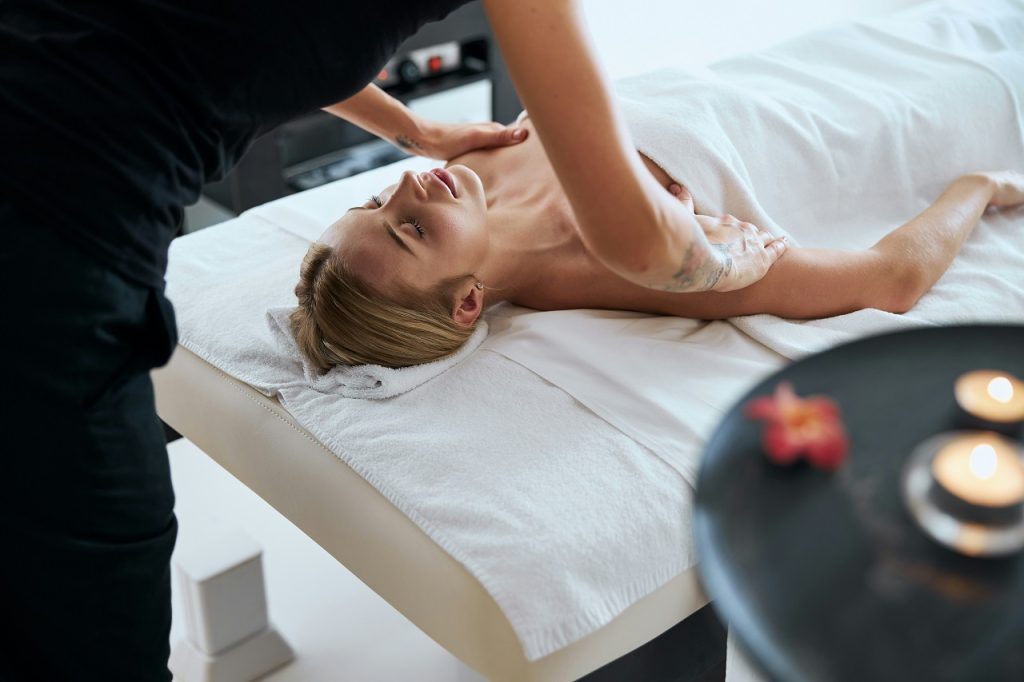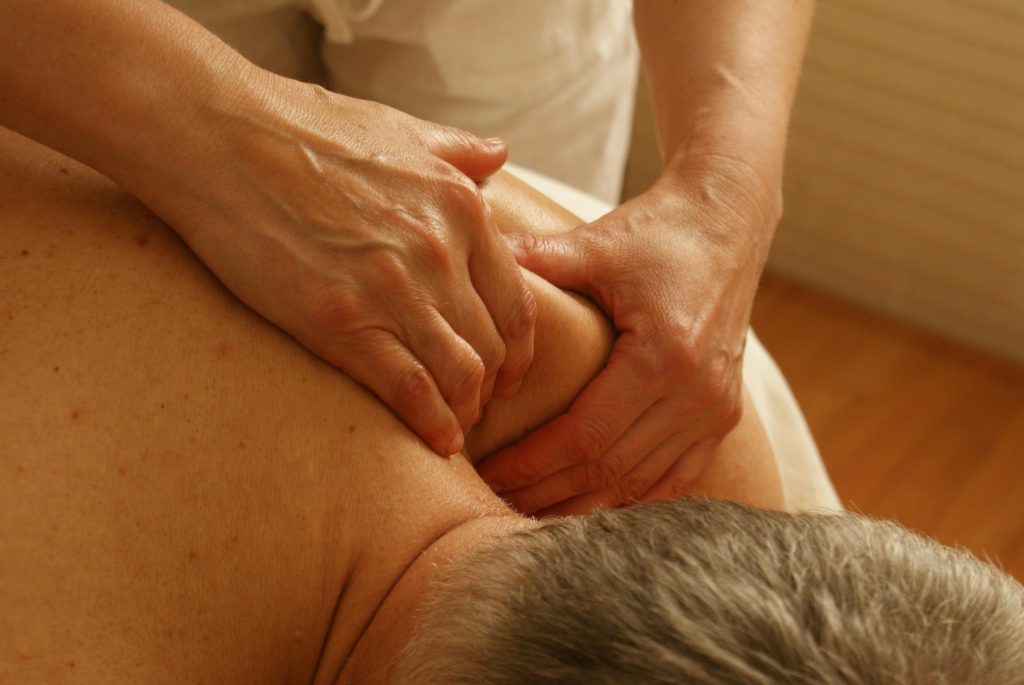

Running puts a lot of pressure on your legs. Whether you’re doing sprints, long-distance routes or trail runs, the impact adds up. Recovery isn’t just a nice break from training, it’s part of training. When your legs don’t get the time and care they need to heal, you’re more likely to deal with things like cramps, tight muscles or more serious injuries down the road.
One recovery method that’s been gaining attention among runners is traditional Thai massage. It blends techniques like stretching, pressure point work and rhythmic movement to support the body’s natural healing. For tired legs and tight muscles, this can be the kind of reset that makes a real difference, helping you get back on track without long setbacks.
Understanding Runner’s Leg Recovery Needs
Running, even at a moderate pace, can cause strain in different areas of the legs. The most common problem spots include calves, hamstrings, quads and hip flexors. While these muscle groups are strong enough to keep you going, they’re also the ones most likely to get sore or stiff without enough recovery.
Here are some familiar issues runners often notice:
– Muscle tightness, especially after hill runs or long distances
– Sore joints from repetitive impact on pavement or trails
– Delayed fatigue that doesn’t go away after one rest day
– Minor strains or overuse in areas like the Achilles tendon or IT band
When recovery gets skipped or rushed, the small issues don’t always go away. Instead, they compound. A tight hamstring this week can become a limiting factor next week. That’s why rest days aren’t just about taking time off. They’re your chance to help the body process the stress placed on it and rebuild effectively.
Traditional recovery methods include things like light stretching, low-impact cross-training, proper hydration and getting enough sleep. All of that plays a part, but adding hands-on muscle care creates deeper results. Techniques that work with the body’s own systems, like massage therapy, help ease soreness, support blood flow and improve muscle mobility from the ground up.
Key Thai Massage Techniques That Support Leg Recovery
Traditional Thai massage doesn’t look like your typical Western-style massage. Instead of lying still while someone works through muscle knots, Thai massage tends to be an active process. It blends compression, assisted movement and energy-line work to release tension and bring balance throughout the body.
For runners recovering from leg-focused training, a few specific techniques can really help:
1. Sen Line Massage
Based on the idea of energy pathways (sen lines) that run through the body, this technique focuses on applying rhythmic pressure using thumbs, palms, elbows or even feet along those lines. When applied to the legs, it can promote flow and balance, helping to unblock tension that slows down recovery.
2. Acupressure
While similar to acupuncture without needles, acupressure uses firm, steady pressure on key points in the body. For post-run legs, these pressure points often fall around the calves, knees, inner thighs and ankles. Working through these zones can help calm muscle pain and bring down sensitivity and swelling.
3. Passive Stretching
One of the more well-known features of Thai massage is the inclusion of assisted stretching. This helps ease muscle tightness from long runs or narrow gait patterns. Think of it as having someone gently guide your body through the motions you might skip during your cool-down.
4. Herbal Compress
A warmed herbal compress, often filled with ingredients like lemongrass, ginger and turmeric, is applied to sore areas. The warmth penetrates deep into the muscles while the herbs release a soothing scent. It’s especially helpful for calming general inflammation and lingering soreness after harder sessions.
Each of these techniques targets recovery from a different angle. When combined, they offer a whole-body approach that doesn’t just focus on one sore area but supports your full system coming back into balance. For runners who want to stay consistent and avoid long breaks from training, this kind of care can really help in the long run.
Benefits Of Traditional Thai Massage For Runners
The benefits of traditional Thai massage go beyond just loosening tight muscles. When your legs are sore or heavy after a run, the last thing you’d want to do is get up and move again. But Thai massage uses technique and rhythm that relax the body while also giving it a gentle push. It helps muscles recover without adding more strain.
One of the biggest benefits is tension relief. Thai massage works through layers of muscle using pressure and movement. Even areas where you don’t always feel pain, like hip flexors or shin muscles, can hide tension that affects your stride, balance and posture over time. Releasing those spots clears up your movement and lowers your risk of picking up a small injury.
Circulation also improves. The massage applies pressure in waves across the legs and lower body, encouraging better blood flow. This brings in fresh oxygen and nutrients to your tired muscles, supporting faster healing. After a long session, that can make you feel lighter, more flexible and ready to move, even just a day or two later.
There’s also a mental benefit. Long training weeks don’t just wear down your muscles—they can affect your energy and mindset too. Thai massage invites rest. With quiet breathing and physical awareness, it creates space for calm and focus. Sometimes that mental reset is just as needed as the physical one.
Tips To Get The Most Out Of Your Thai Massage
If you want to make Thai massage part of your recovery process, there are a few easy habits that can help you stretch the benefits even further. What you do before and after the session matters just as much as the massage itself.
Here are some helpful tips to follow:
– Time it well: Try to schedule your massage within a few hours to a day after a high-intensity or long-distance run. Muscles recover faster when they’re worked on while still warm.
– Stay hydrated: Drink water before and after your massage. This helps your body move out any waste that gets released during the treatment.
– Take it easy after: Your muscles need time to settle. Avoid doing anything too intense right after your session.
– Stick with a rhythm: Regular sessions—every two or three weeks—will help you manage small aches before they grow into something more. Don’t wait until you’re sore to get on the table.
– Don’t skip stretching: After-run stretches can go a long way. They make your massage results last longer and keep general tightness low between visits.
With just a little planning, Thai massage becomes more than a quick fix. It turns into a tool you can return to again and again to keep your body in working shape.
Support Recovery With La-Moon Thai Massage
Running comes with plenty of highs—whether it’s breaking a personal best or enjoying a peaceful long run—but it also brings wear and tear, especially in your legs. Adding solid recovery habits to your routine is one of the best ways to keep moving without having to take extended breaks.
Traditional Thai massage offers a smart and practical way to care for your legs. The techniques work deep into your muscles, improve circulation, release tension and help your body feel more in tune. Whether you’re an everyday jogger or a serious runner building up to your next race, regular massage can give your legs the support they need to keep going strong.
If you find your legs stay sore longer than they should, or stiffness is starting to limit your pace, it’s a good idea to let some expert hands guide your recovery. Give your body the time and care it needs and enjoy what comes from moving well and feeling better.
Experience the rejuvenating effects of traditional Thai massage and discover how it can improve your running recovery. At La-Moon Thai Massage, we offer a variety of techniques designed to relieve muscle tension and enhance your overall wellness. To learn more about how traditional Thai massage can support your recovery and general wellbeing, explore the services we provide. Whether you’re bouncing back from a marathon or just need to reset after a long week, we’re here to help you feel your best.